Manta Rays · Research
Monthly Update for July
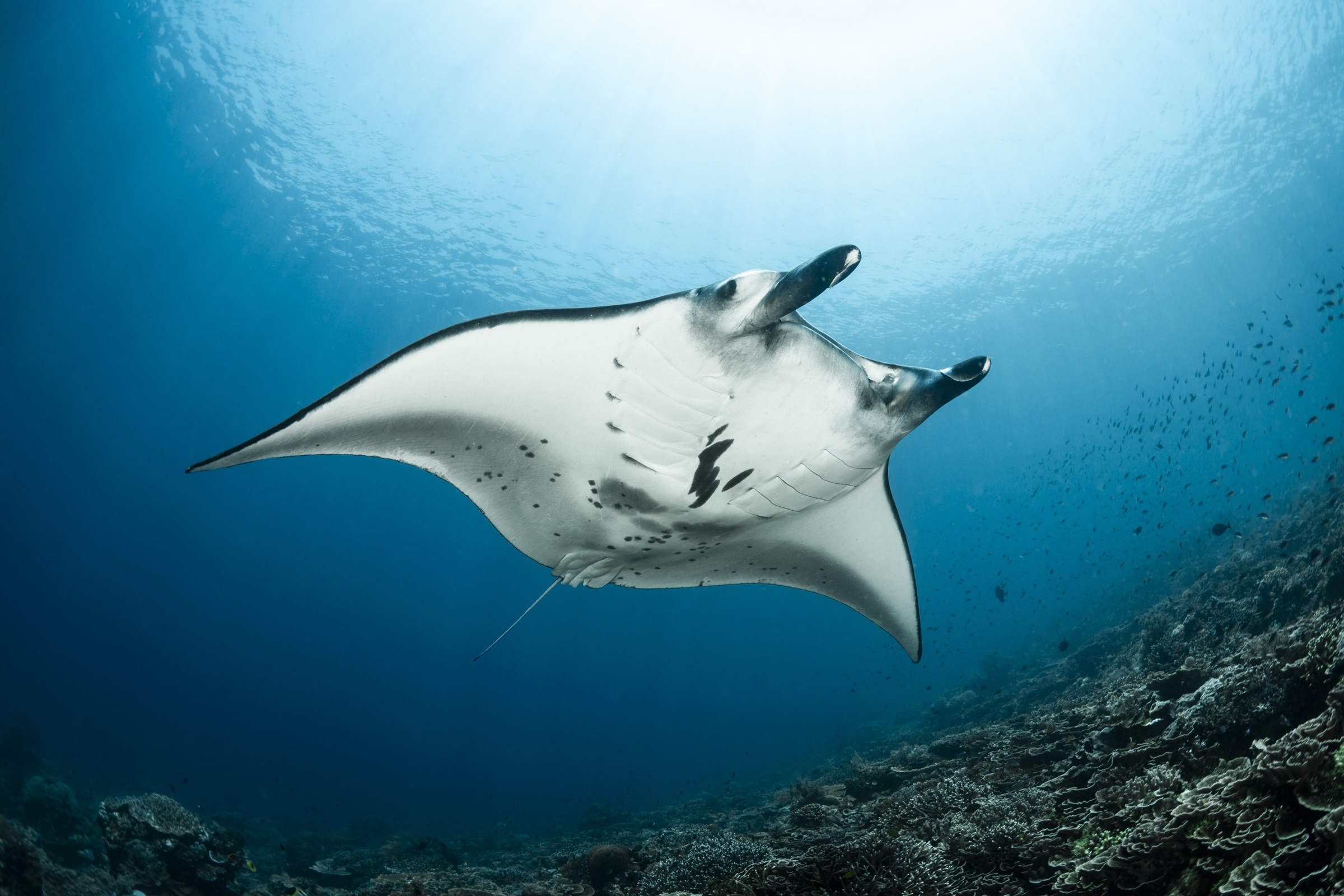
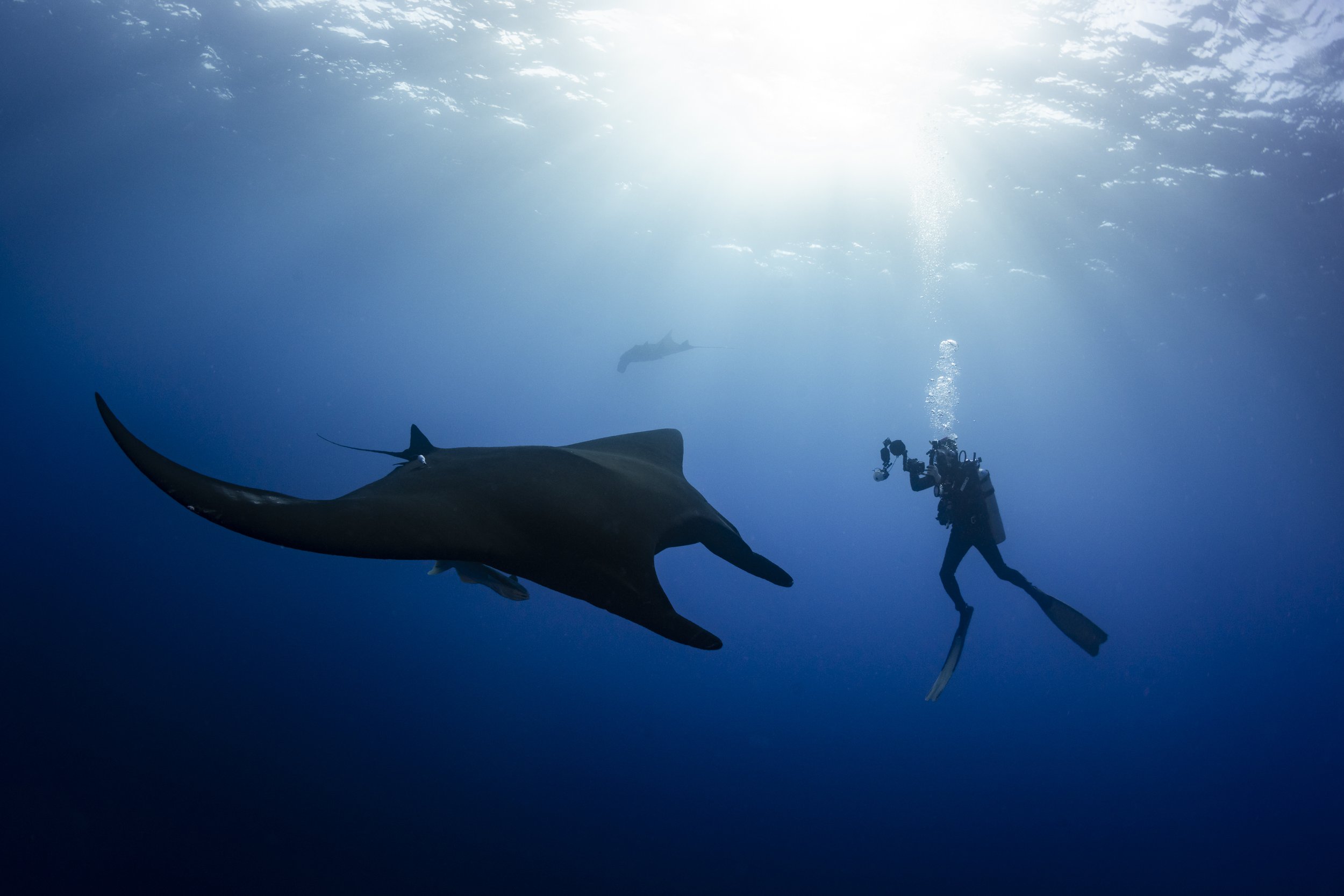
The highlight this month is the formal description of the Atlantic manta ray (Mobula yarae), the third manta ray species, co-described by MMF co-founder Andrea Marshall, who first flagged its likely existence in 2009. Elsewhere, Dr. Madalena Cabral satellite-tagged and ultrasounded oceanic manta rays during an MMF expedition to Mexico’s Revillagigedo Archipelago, our Mozambique team tagged wedgefish in Vilankulo and welcomed manta rays back to Závora, and our Indonesia team identified sea turtles in the Derawan Islands.
Indonesia
Sea turtle identification in Derawan
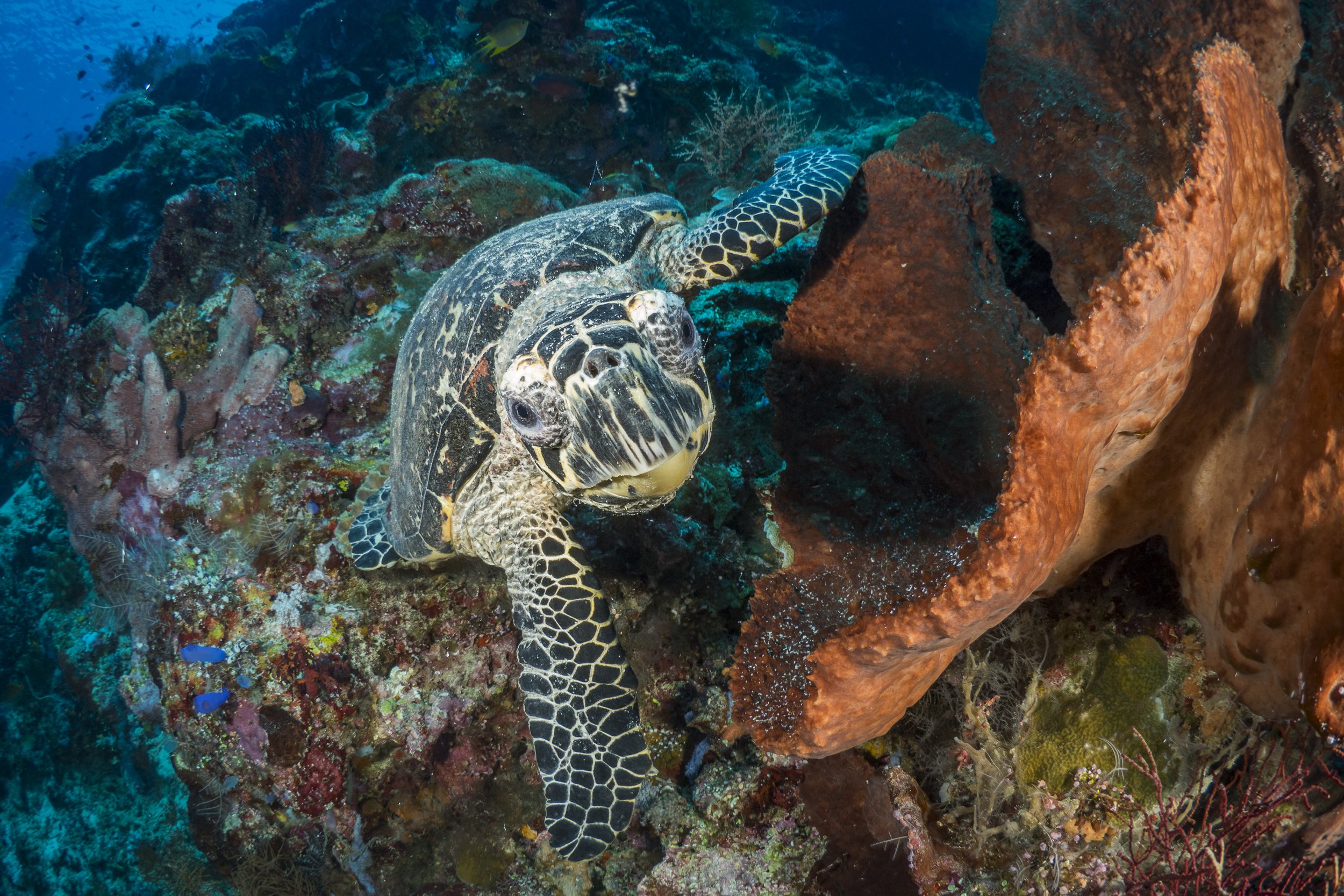
The team began the process of identifying new sea turtle individuals in the Derawan Archipelago. So far, they have successfully identified 96 green and hawksbill turtles in the region. We look forward to expanding our knowledge of the sea turtle population in the area – traditionally, most turtle research has taken place on nesting beaches, so it’s great to do this in-water work in their important foraging areas.
National Uni of Singapore visit
We were excited to host another visit from the National University of Singapore (opens in a new tab) student group this year. The MMF team gave talks on manta rays and turtles, followed by two days of field data collection through snorkeling. After the fieldwork, the team held a photo-identification workshop and wrapped up with discussions on megafauna conservation in Indonesia.
Leadership in conservation workshop
Country Manager Janis Argeswara, a Rufford Grant (opens in a new tab) alumni, recently joined the CLP x Rufford Leadership and Fundraising workshop in Bogor, Indonesia. Alongside 19 other conservationists from Southeast Asia, she learned the qualities and skills of an effective and empathetic leader in conservation.
Asia Shark and Ray workshop
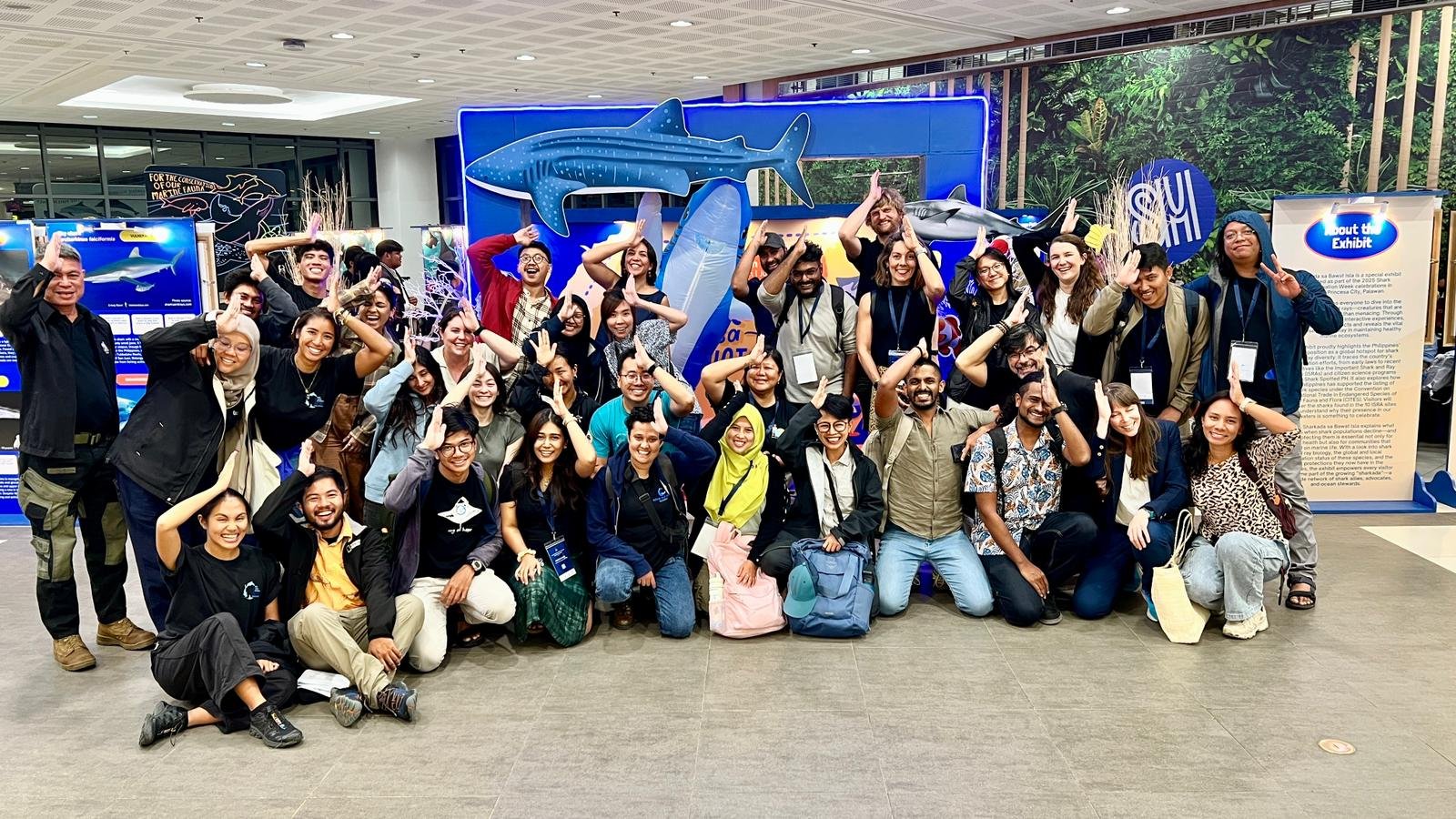
Ariq Trisarjono joined 25 other delegates at the 2025 Asia Shark and Ray Capacity Building Workshop, hosted by the Blue Capacity Collective from James Cook University’s Fish and Fisheries Lab. Beyond developing technical conservation skills, he built valuable connections within Asia’s growing shark and ray conservation community.
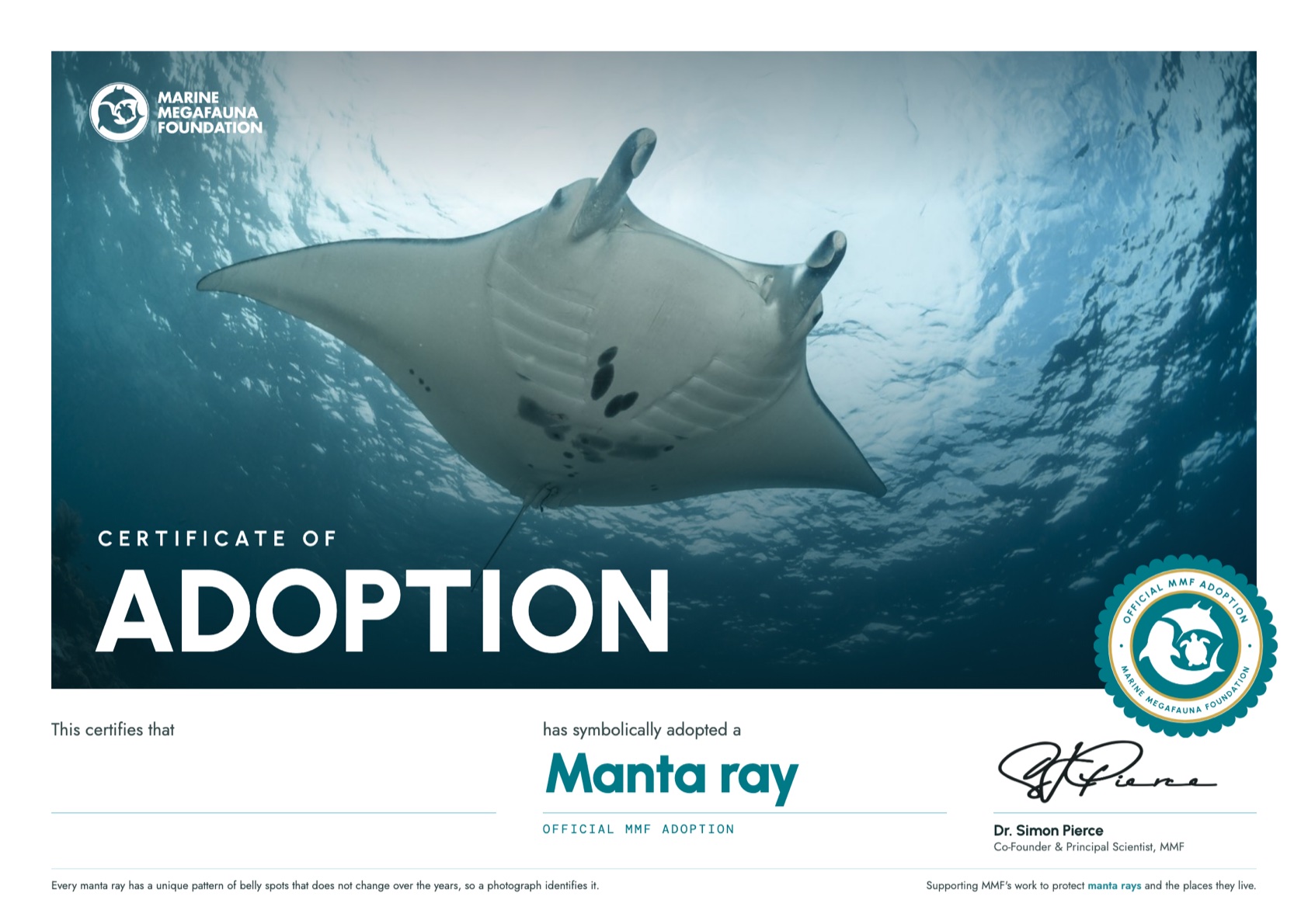


Adopt a manta ray
The world's largest rays, studied by MMF scientists in Mozambique, South Africa, Indonesia, and the USA.
Get news like this in your inbox
Field news, new science, and ways to help, a couple of times a month.
Mozambique
Mantas return to Zavora!
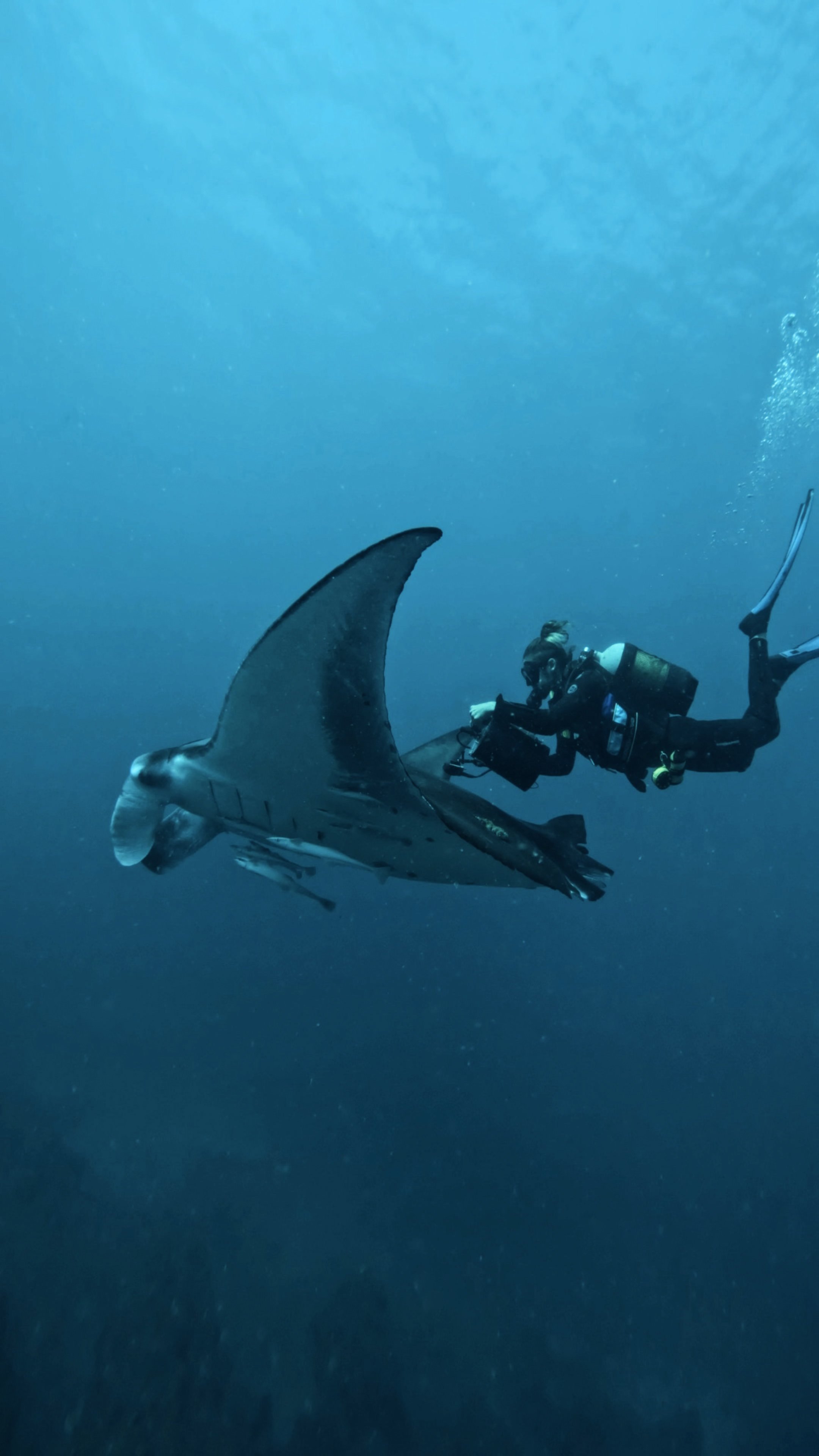
The manta rays have started to return to their favorite site in Závora, and have welcomed the new 2025 interns with open wings! One of the reef mantas still had her tag on from last year, and Project Leader Ed Bevan was able to get an ultrasound scan of her (spoiler alert: there was a baby in there!).
Wedgefish tagging in Vilankulo
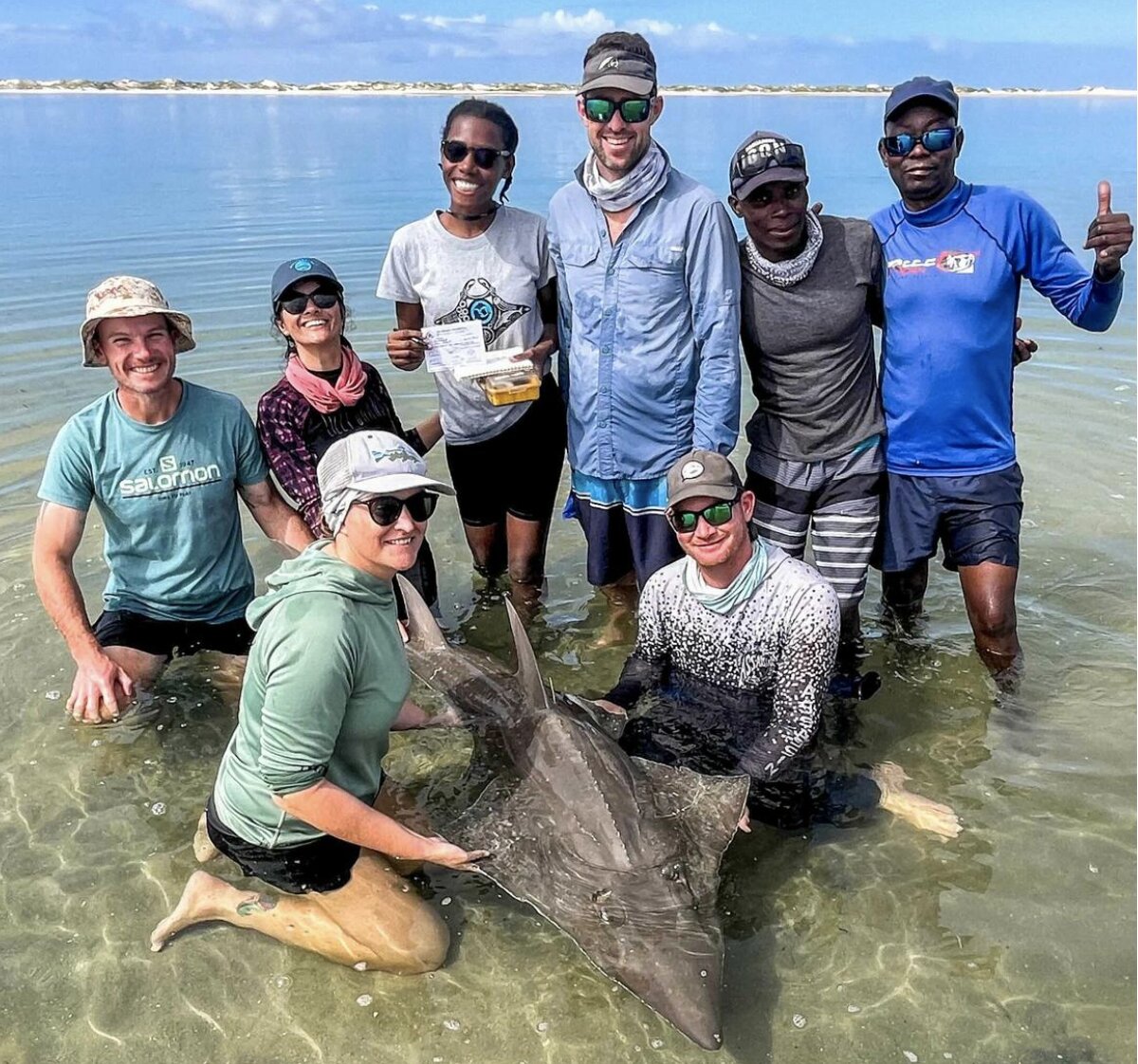
Our Mozambique team, led by Research Associate Dr. Steph Venables and Research Manager Nilza de Catarina, along with expert
assistance and advice from Dr Ryan Daly
(Oceanographic Research Institute (opens in a new tab)) tagged nine Critically Endangered bottlenose wedgefish in The Sanctuary (Santuário Bravio de Vilanculos) (opens in a new tab) in the Bazaruto Archipelago, deploying acoustic trackers to monitor their movements across Inhambane Province.
Final PhD data collection in Závora
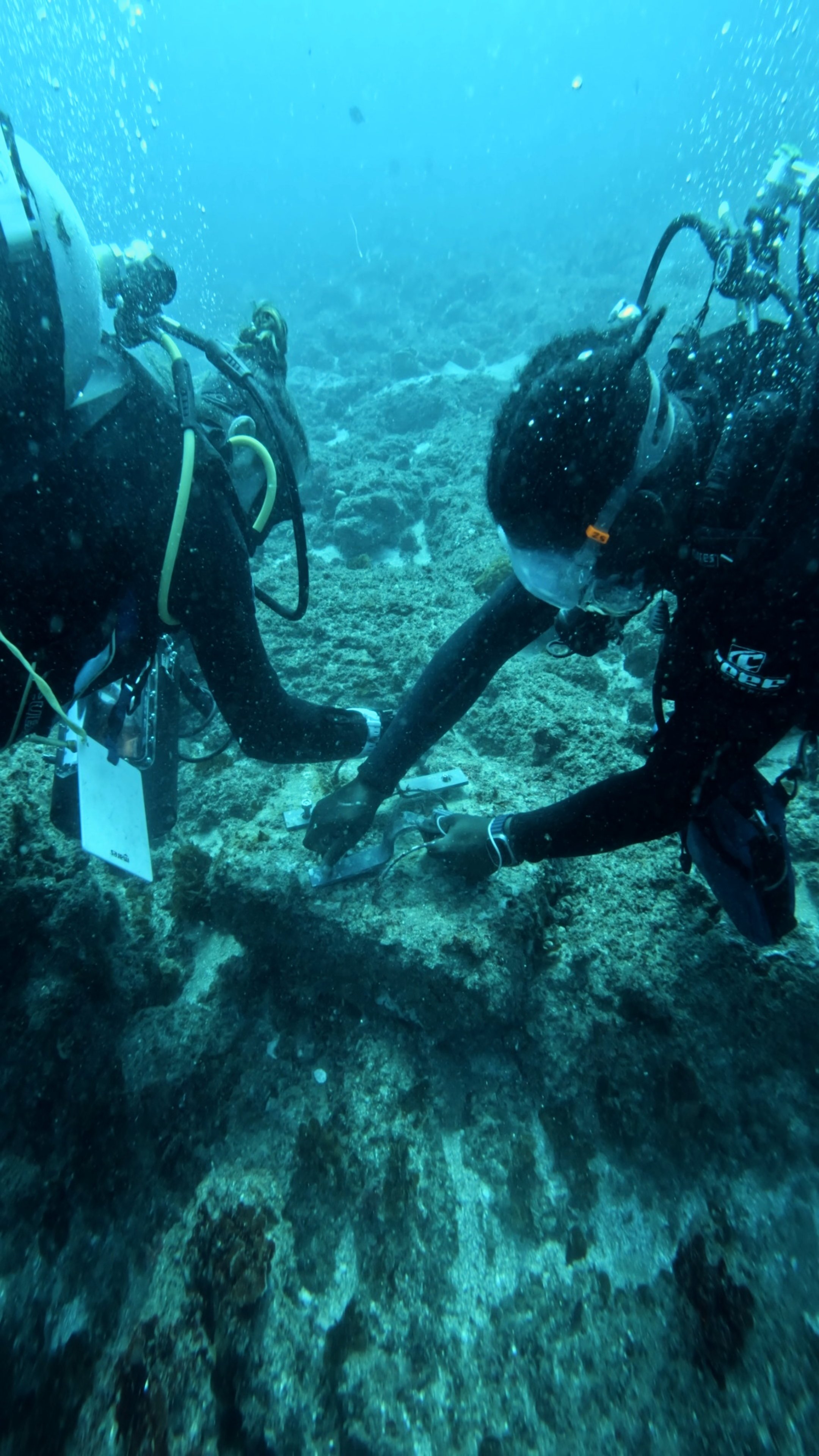
This month, the team downloaded the data from four of the passive acoustic receivers, which was the final data to be included in Nakia Cullain’s PhD thesis on manta rays at Dalhousie (opens in a new tab). They also had Dino from InOM on-hand to help retrieve and deploy the temperature logger units, which included some in-the-field underwater construction!
Florida
Welcome to the club, Mobula yarae!
After 15+ years of research, genetic and physical analysis, we confirmed the Atlantic manta ray is distinct from the two known manta species, with unique star-shaped skin denticles, V-shaped back patches, and specific coloration. The species faces threats from bycatch, boat strikes, and pollution, highlighting the need for Atlantic manta conservation efforts.
American Elasmobranch Society meeting
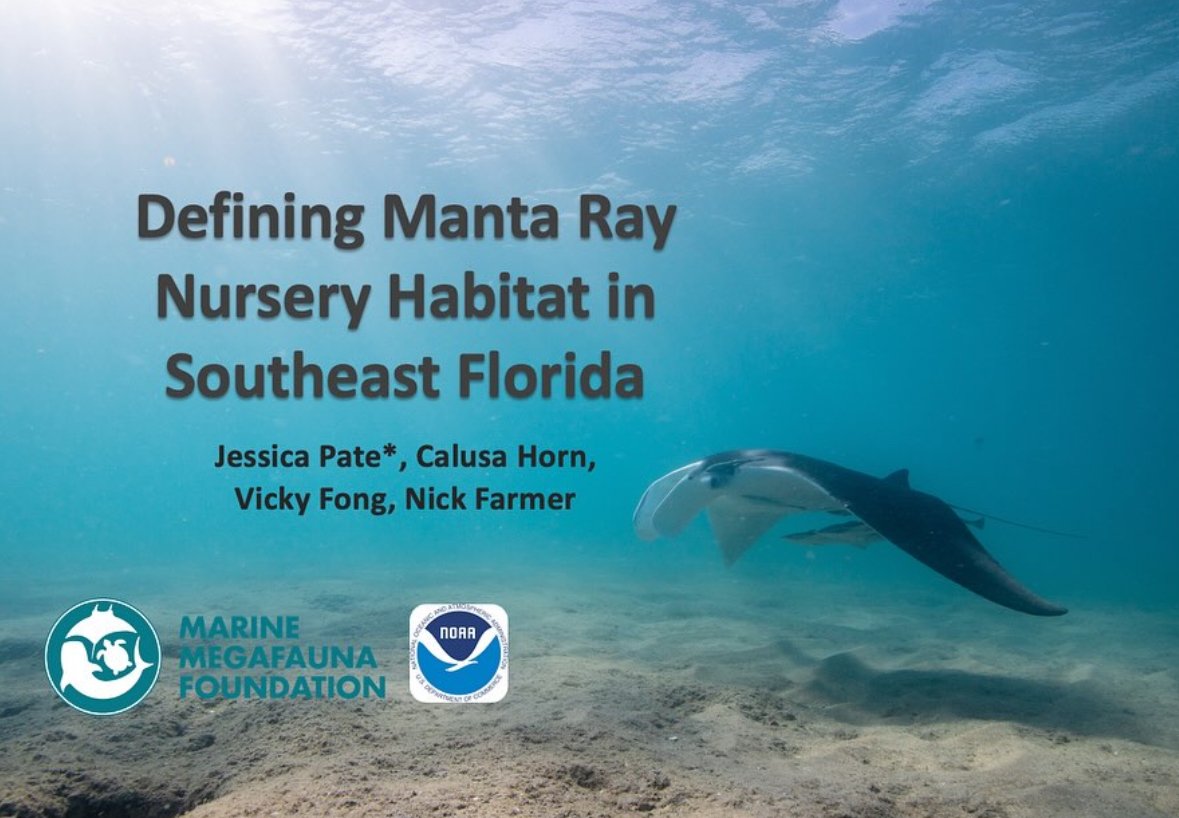
Jessica Pate attended the 2025 American Elasmobranch Society (opens in a new tab) meeting, held in St. Paul, Minnesota. She presented a poster on using machine learning to quantify manta ray kinematics, and an oral presentation on the manta ray nursery habitat in South Florida.
Youth Environmental Summit
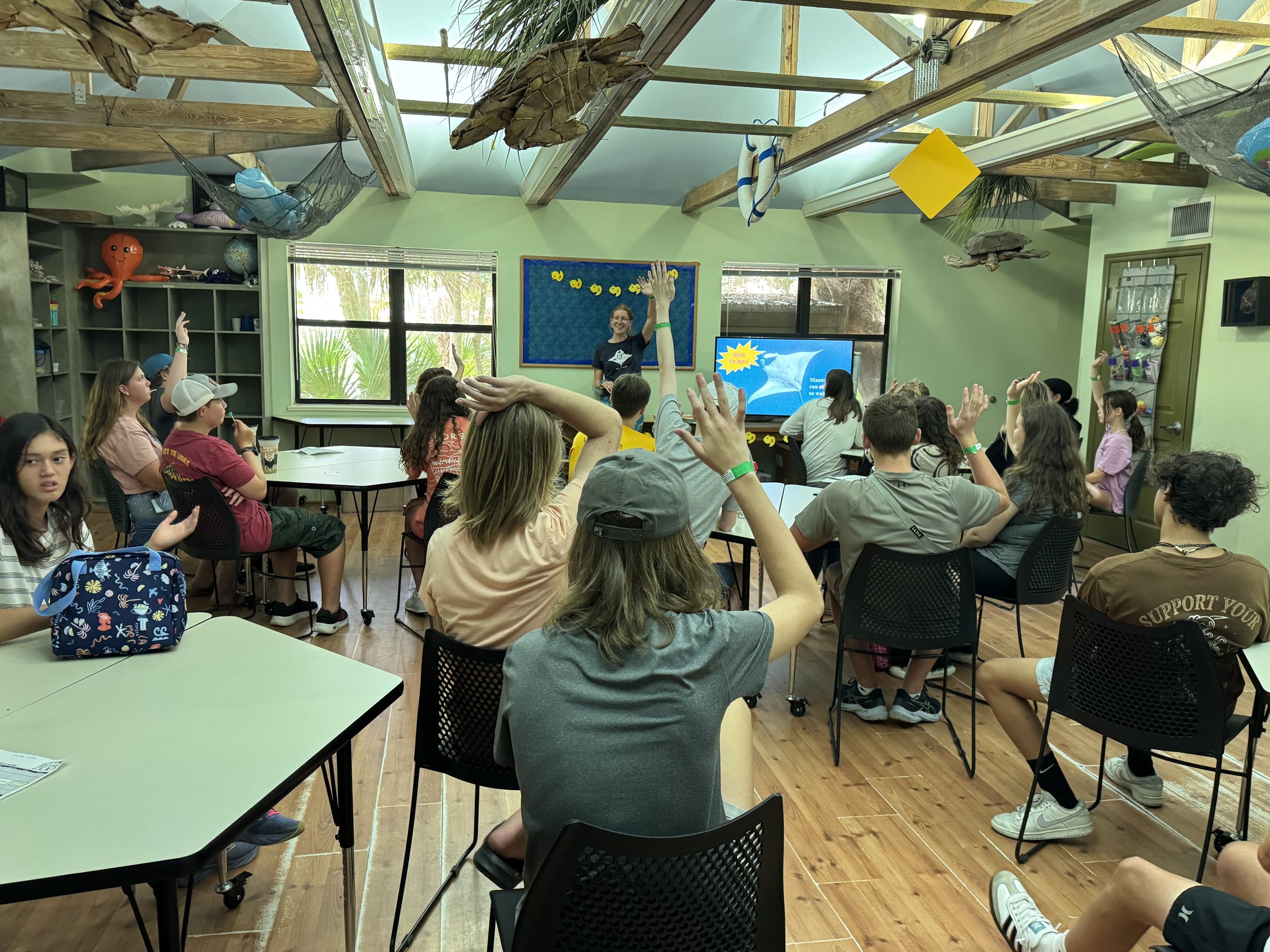
Education Coordinator Isabel Moyer was invited to attend the Brevard Zoo’s Youth Environmental Summit, where students ages 12–18 could learn about misunderstood animals and how to pursue a career in the environmental sciences. Over 100 students attended the event and learned a lot from many environmental organizations.
Florida Migrant Education Program
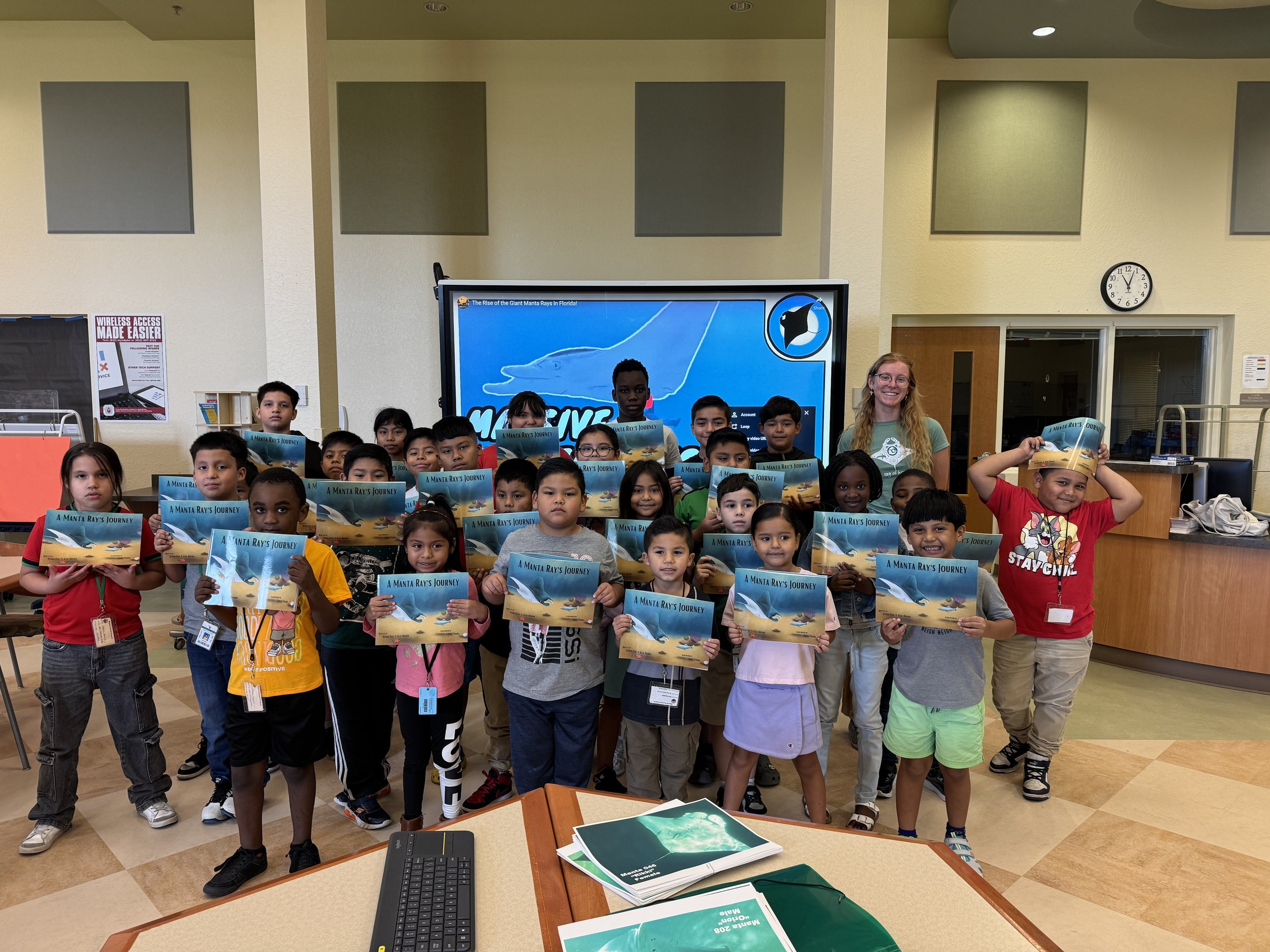
The team partnered with the Florida Migrant Education Program, which provides educational opportunities to the children of migrant educational workers. Isabel visited students at Gove Elementary and Channel Point Elementary schools to teach students about manta rays in south Florida and how scientists are working to protect them. They were also able to provide each student with a copy of the book A Manta Ray’s Journey by Jessica Pate!
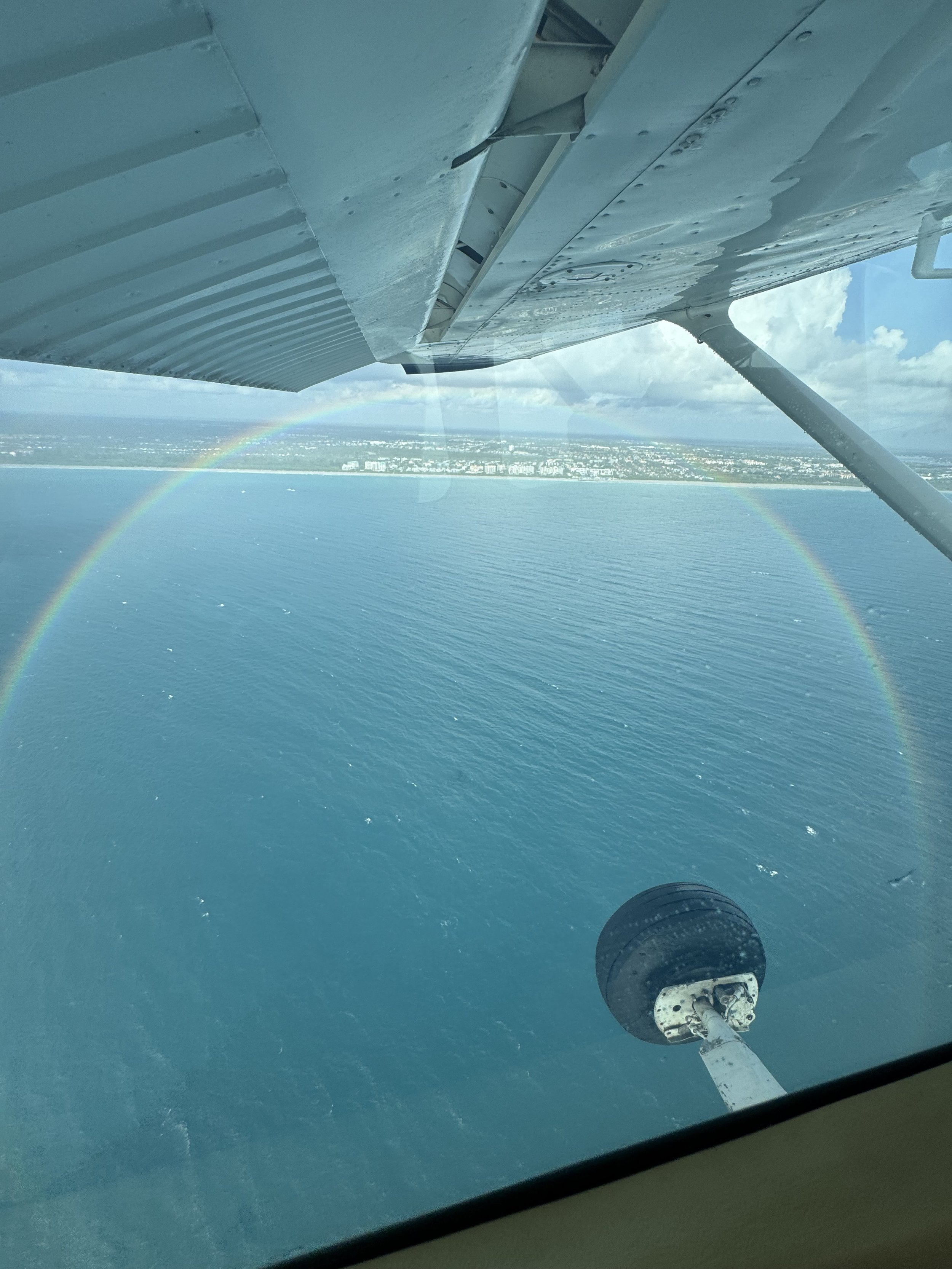
Record-breaking turtle survey
Recently, we broke a record for the most turtles ever seen on our aerial survey- counting 631 sea turtles in two hours! July and August are the peak months for sea turtle mating and nesting season, so hundreds of turtles gather off south Florida’s beaches.
Your support is crucial in fuelling these vital efforts. By joining us, you become a champion for our ocean planet.
Join MMF as a monthly supporter
Your membership directly contributes to:
-
Cutting-edge research on endangered marine wildlife
-
Empowering local communities through sustainable livelihoods
-
Educating the next generation about ocean conservation
Together, we can create a healthier, more vibrant ocean for all.
join mmf as a monthly donor todAYThanks again for your support!
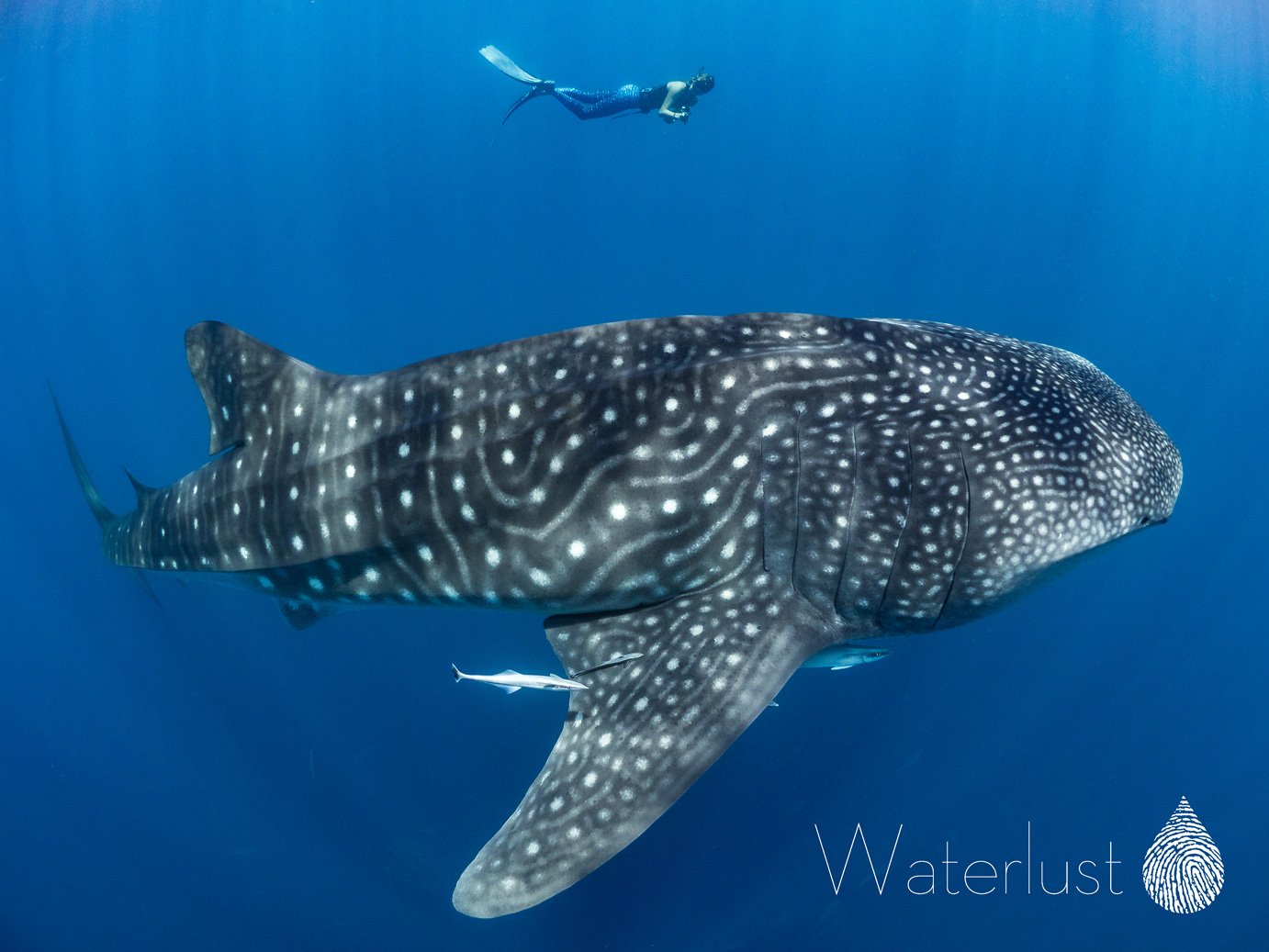
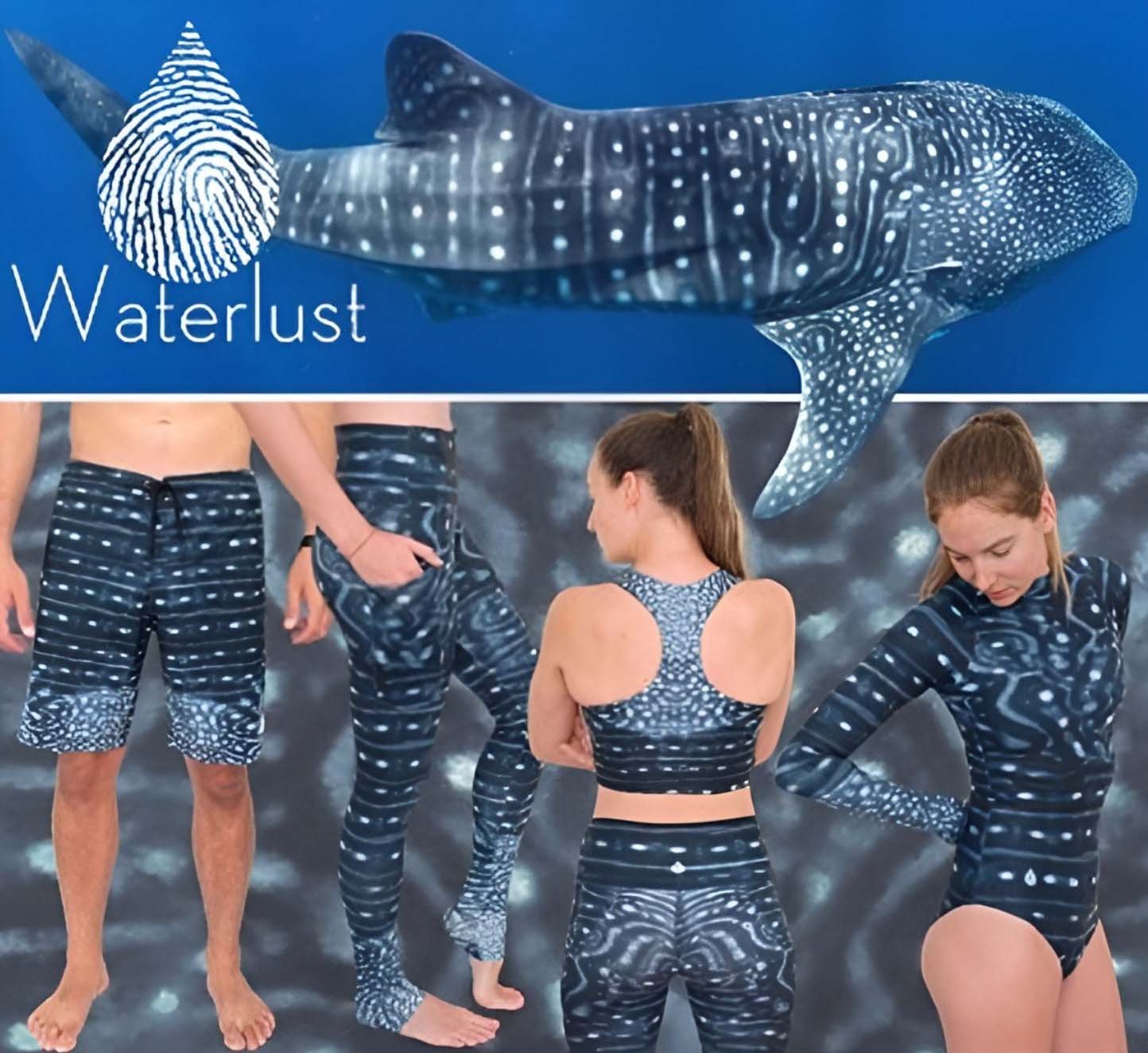
Waterlust donates 5% of each sale from their iconic whale shark range to MMF’s Global Whale Shark Program. When you use the button below, they’ll donate an additional 20%! Click here to see the range (opens in a new tab)
Support work like this
Gifts from supporters fund MMF's research, education, and conservation work to protect the ocean's giants.
Related projects
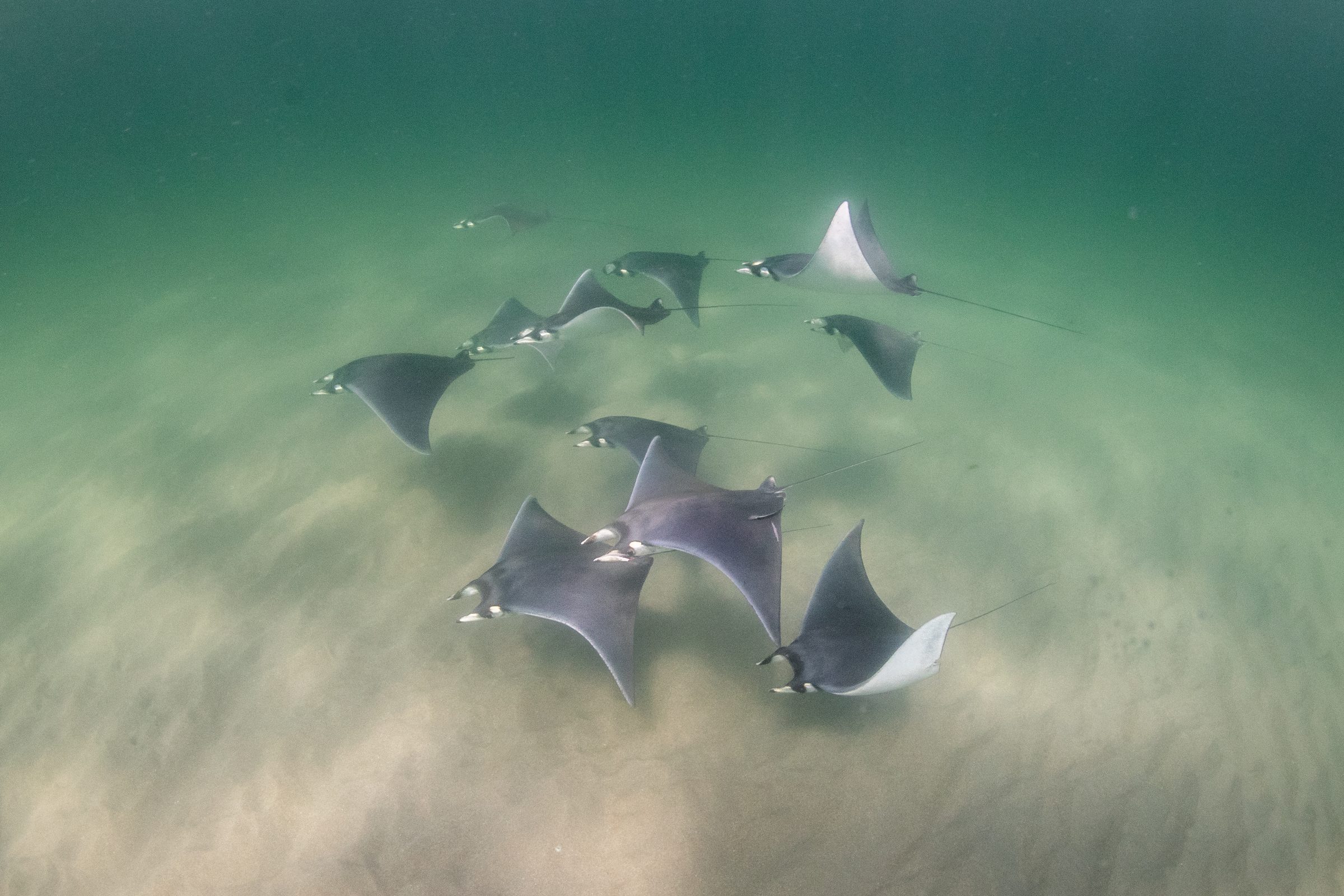 USAAtlantic Mobula RaysMapping the distribution of the western Atlantic's rarely encountered manta and devil rays, to establish the baseline their conservation requires.
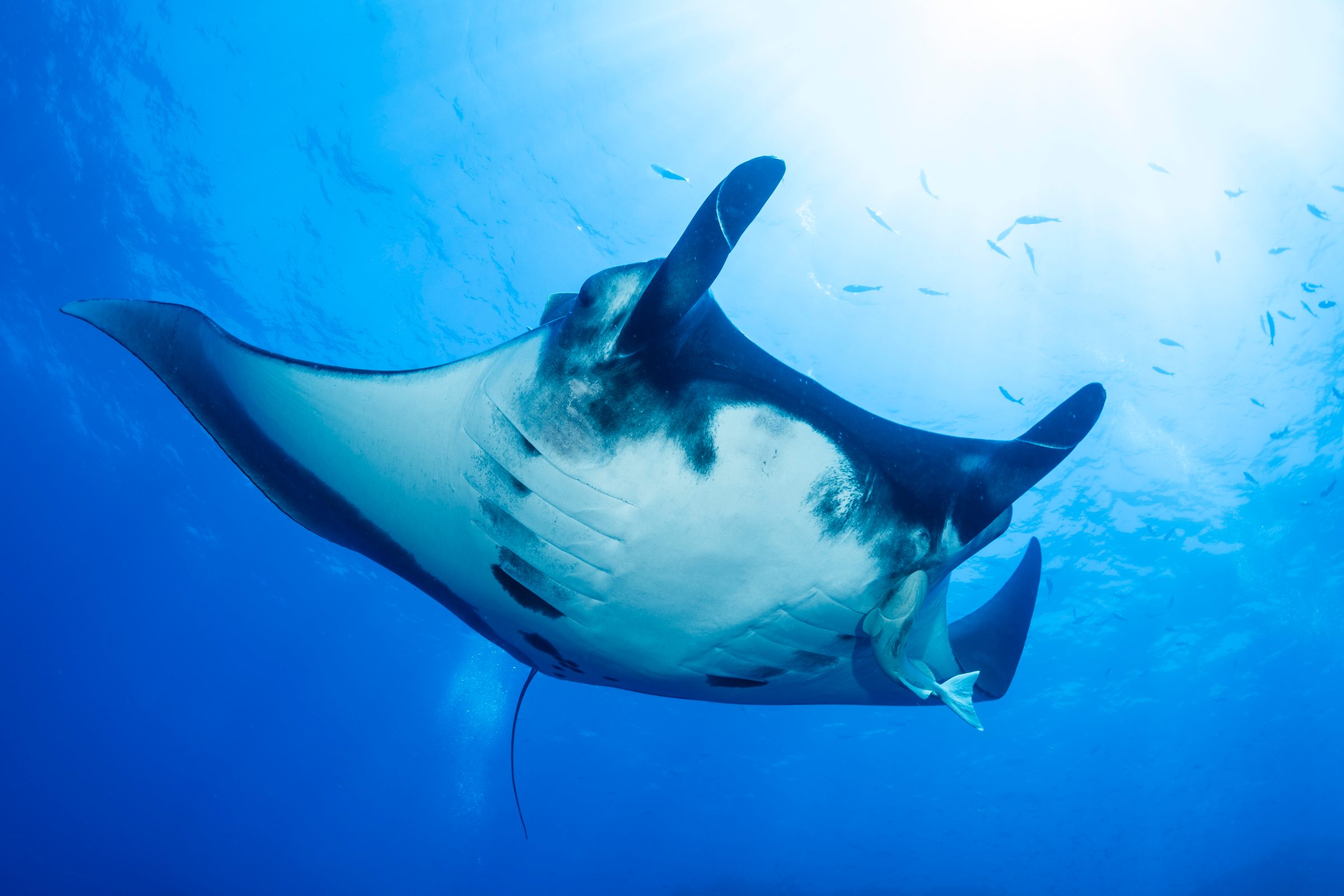 MexicoRevillagigedo Manta Ray ResearchRevillagigedo National Park is a well-known aggregation site for oceanic manta rays, and the first place where pregnancy has been confirmed in free-swimming oceanic manta rays by underwater ultrasound.
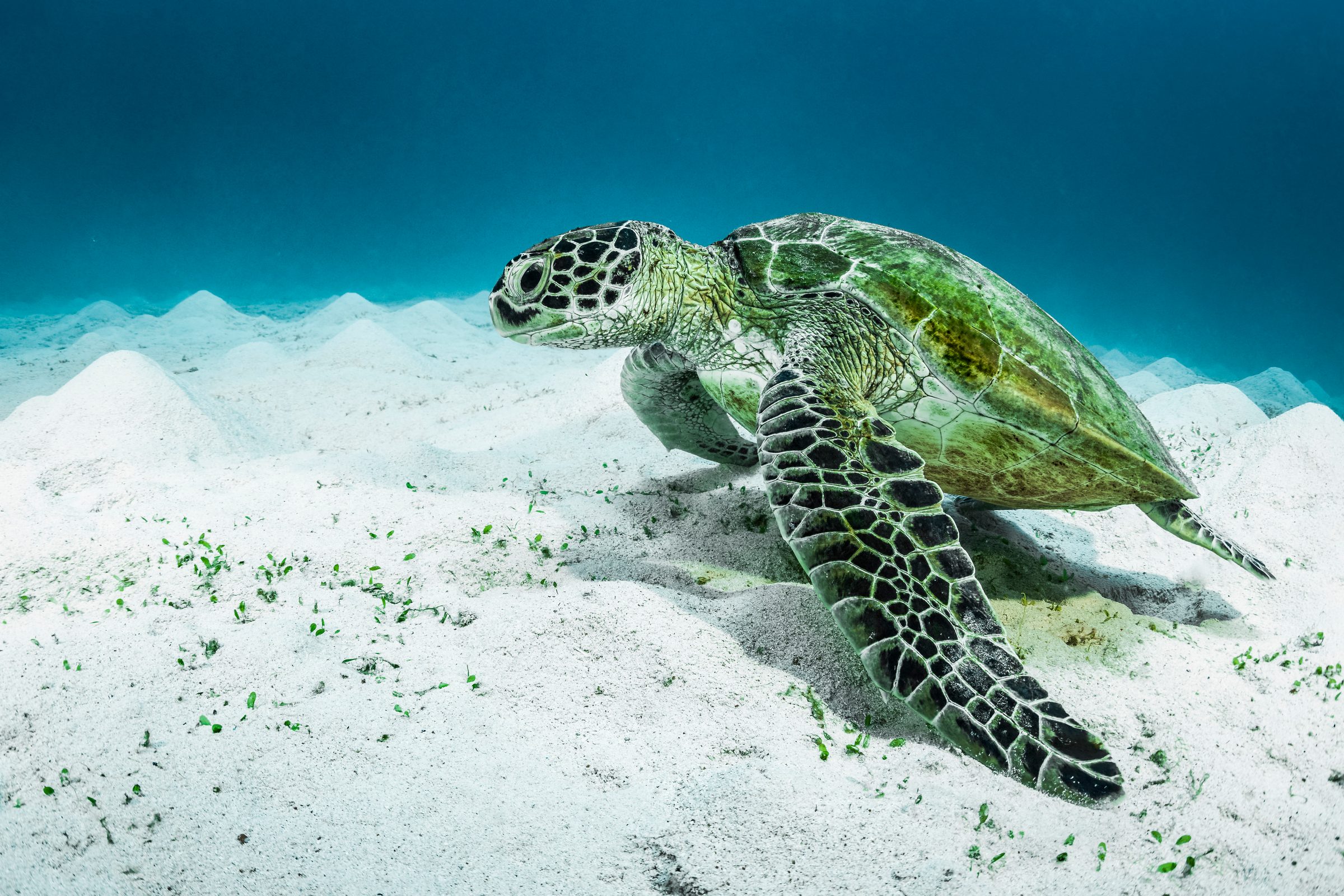 IndonesiaIndonesia Sea Turtle ProjectLong-term, non-invasive photo-identification and size measurements of hawksbill and green turtles in Bali, East Kalimantan, and Komodo National Park.
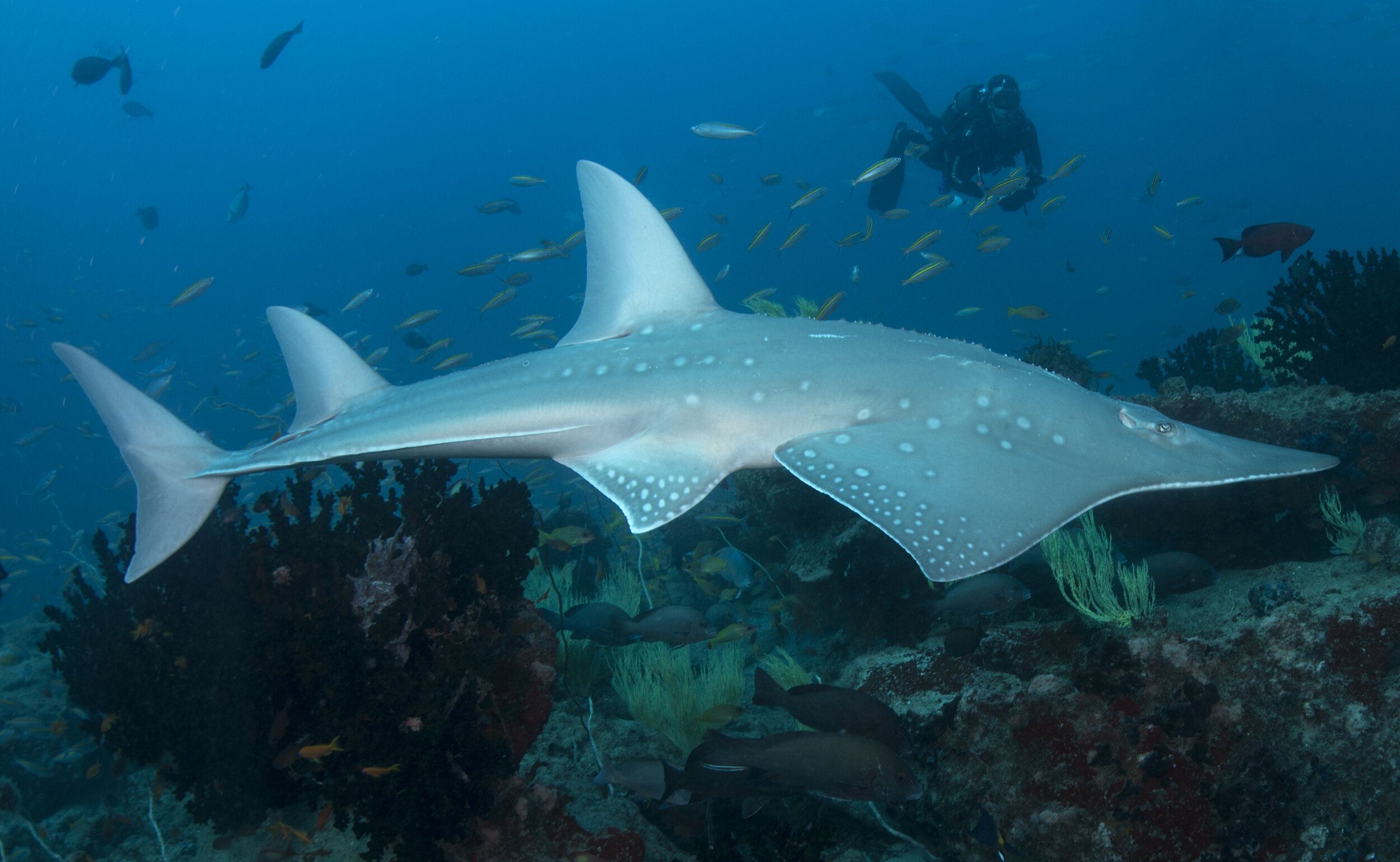 MozambiqueMozambique Rhino Rays Research ProjectMozambique is a center of abundance for rhino rays, the world's most threatened group of marine fishes, and we are collecting the data needed to protect them.