Research · Conservation
Monthly Update for May
Welcome to our first monthly update, with news from MMF’s teams in Indonesia, Mozambique, and Florida. Fieldwork has returned to Komodo, our education program has expanded to Maputo, we are training a new group of Mozambican researchers, and the Florida team recorded 113 manta rays on a single survey, a record for central Florida.
Indonesia
Welcome Back Aulia!
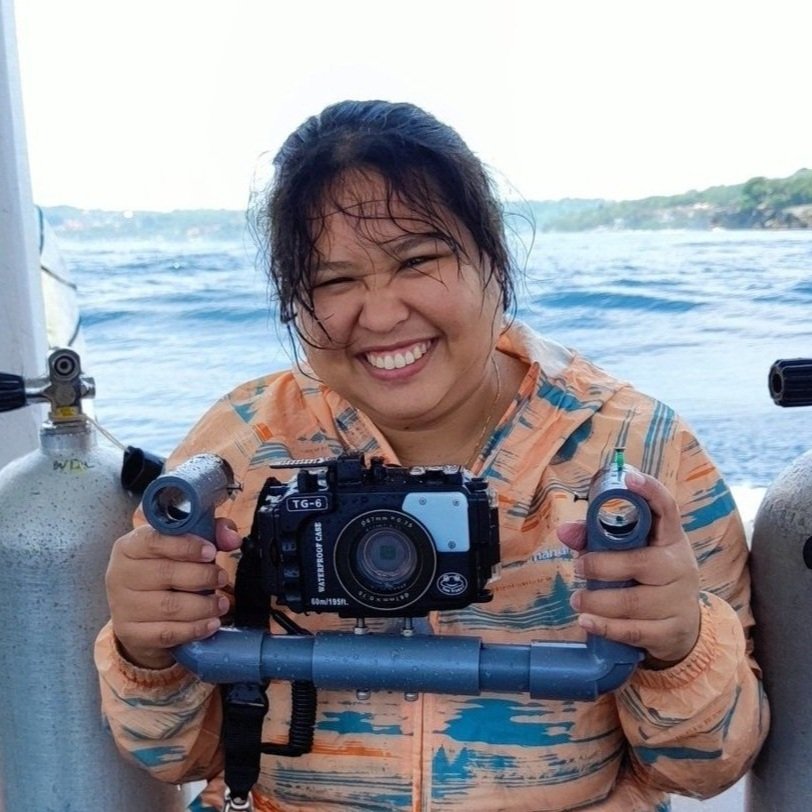
We’re thrilled to have Aulia return as Project Leader for the Indonesia Turtle project after completing her Master’s degree in Conservation Biology at the University of Queensland (opens in a new tab).
With Aulia’s guidance, our Research Assistants Nathania Harywanto & Ariq Trisarjono have learned laser-photogrammetry. This system (shown above) provides an accurate method for measuring turtles without touching them, providing great data for population monitoring and health assessments.
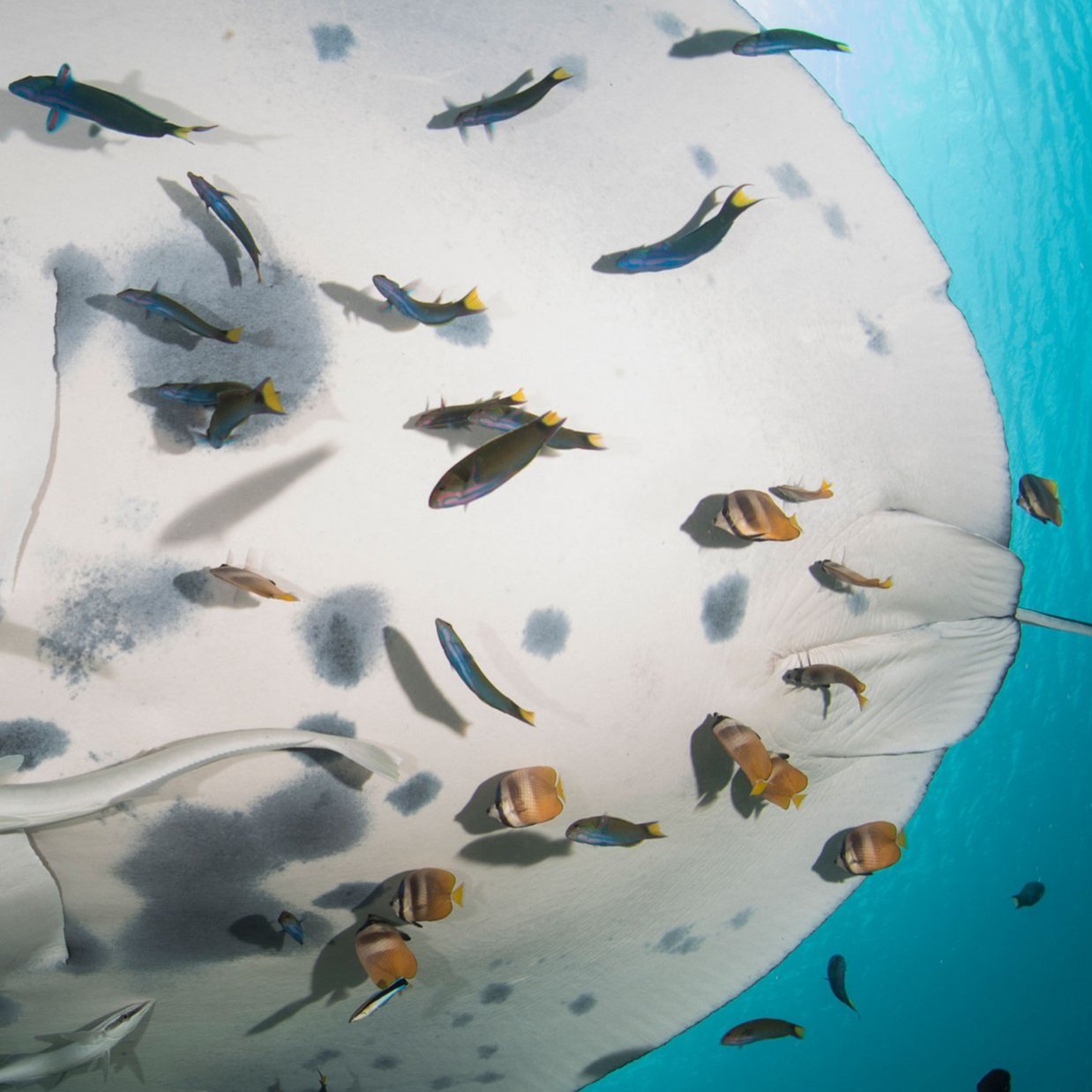
Understanding Manta Ray Cleaning Stations
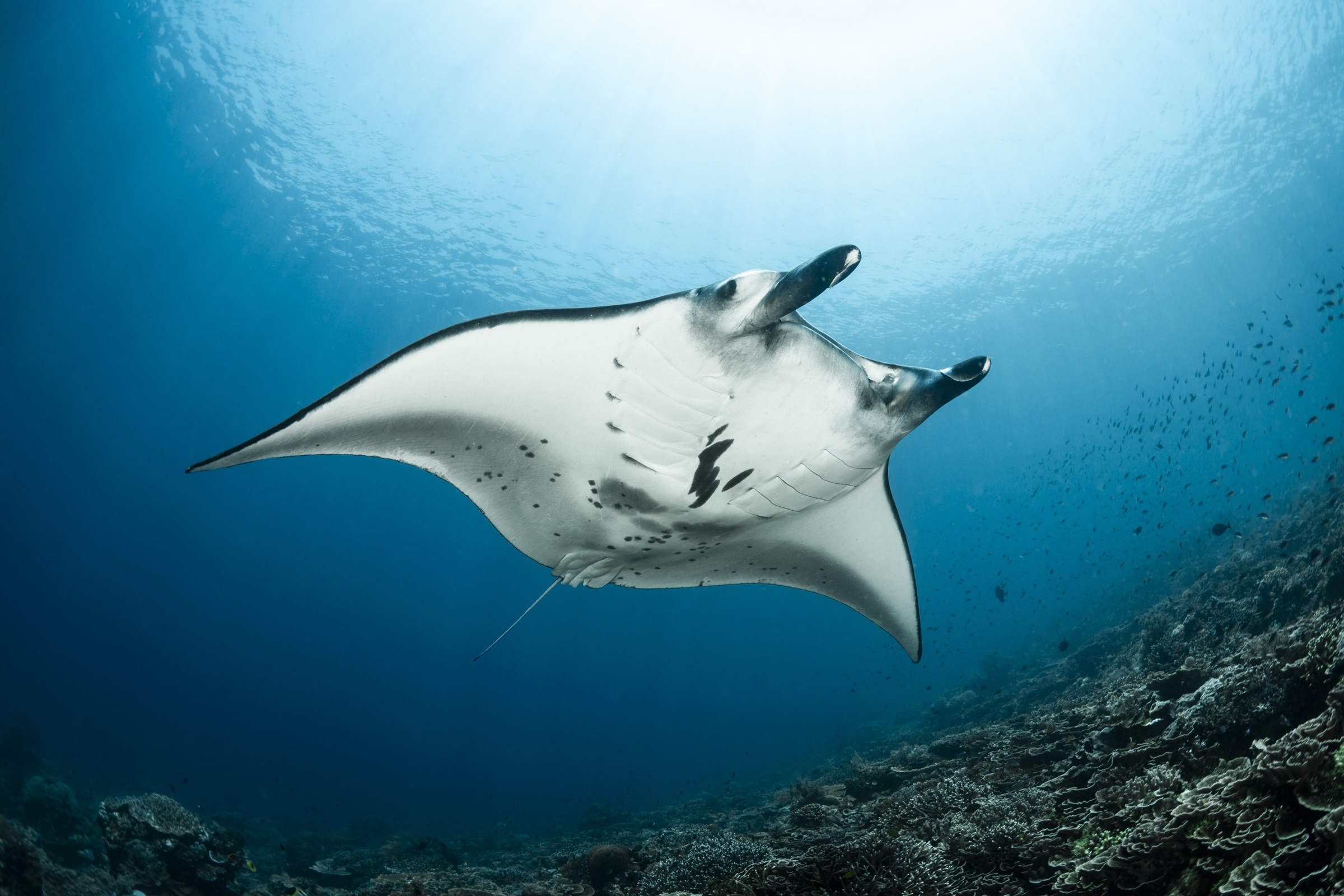
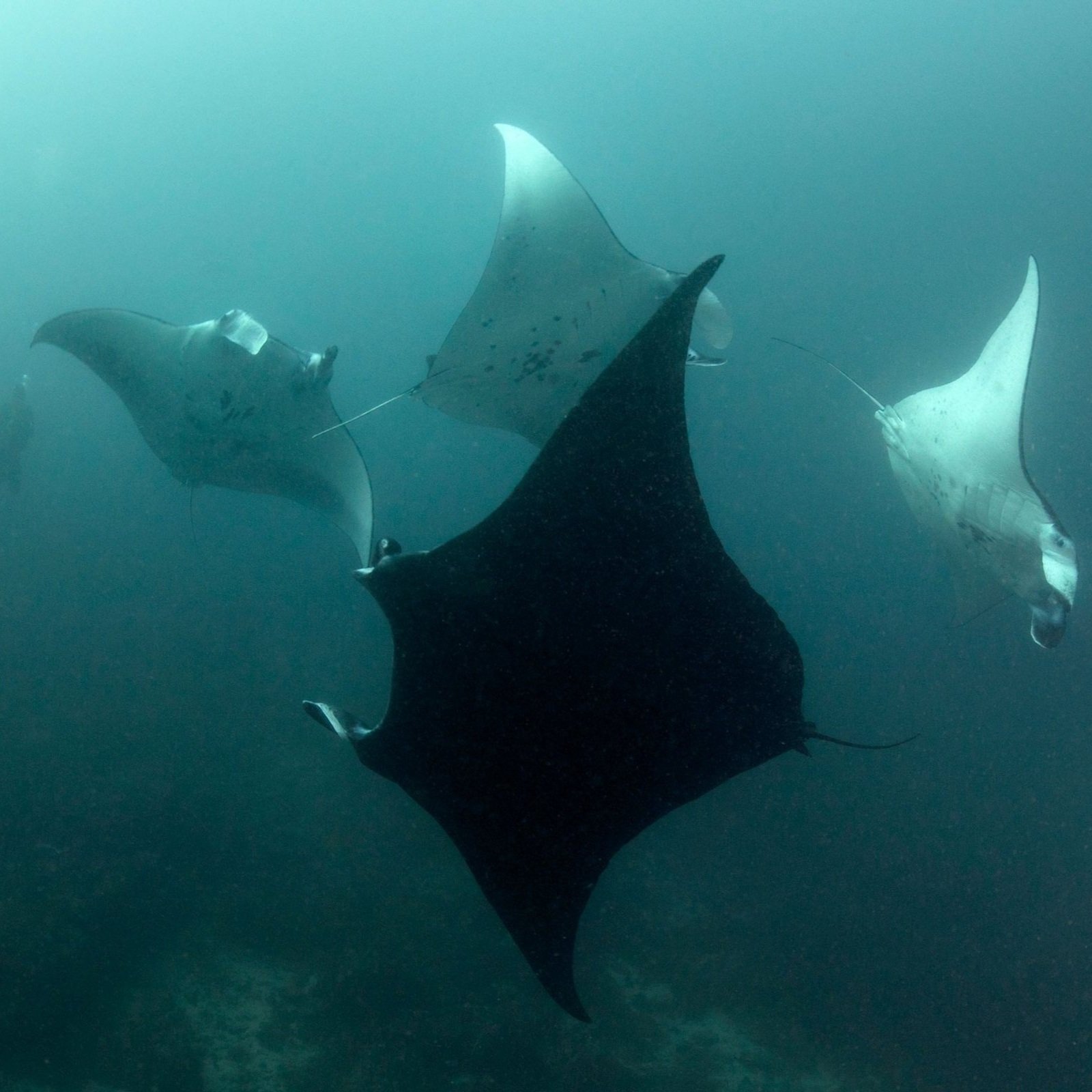
Cleaning stations are vital for manta ray health, as specialized cleaner fish spend hours every day eating parasites and dead skin off mantas, promoting wound healing. We’ve teamed up with the Indo Ocean Project (opens in a new tab) for detailed study of the manta ray cleaning stations at Manta Point, Nusa Penida, including the coral structure, biodiversity, and manta ray behaviors.
FIU BioSymposium Welcomes Janis’ Master’s Research!
Janis Argeswara presented her preliminary MS results at the Florida International University (opens in a new tab) (FIU) BioSymposium 2024, and will be presenting a poster during FIU’s Graduate Student Appreciation Week Scholarly Event. Janis’ thesis has investigated the effectiveness of using three different datasets – researcher-collected data, citizen science data, and a combination – to study the abundance of reef manta rays at Nusa Penida.
MMF Canada (opens in a new tab) generously funded this research, while the Fulbright Program supported Janis’ Master’s studies at FIU.
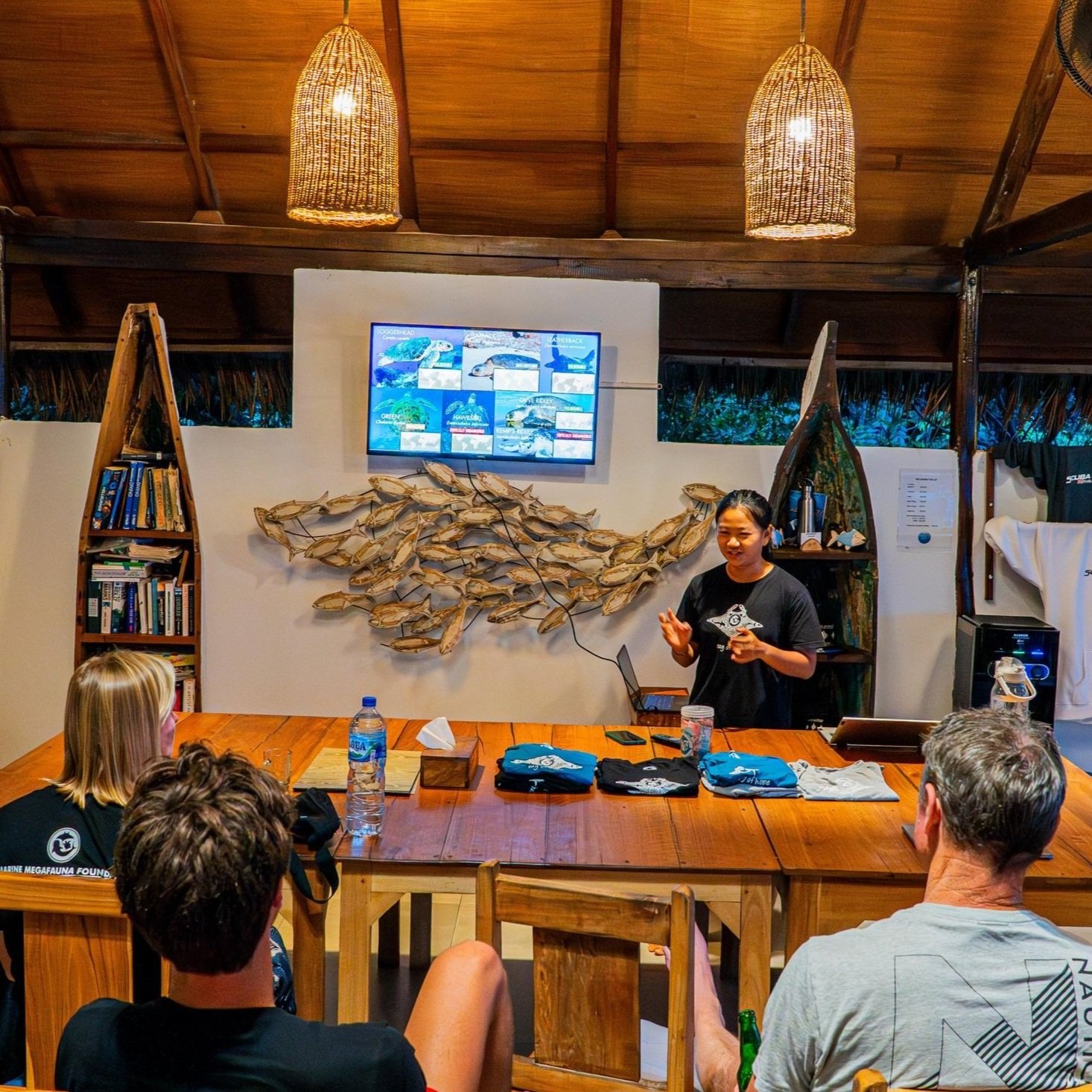
Fieldwork Returns to Komodo
The Indonesia team is spending a month working in the Komodo National Park, hosted by Scuba Junkie Komodo, to conduct seasonal marine megafauna monitoring. This dedicated fieldwork, the first since 2020 due to Covid restrictions, allows for ongoing study of the area’s marine life. The team has been engaging with guests and dive staff by presenting manta ray and turtle talks, sharing their knowledge and passion for marine conservation, and gathering lots of data!
This comprehensive fieldwork is funded by Mantahari Oceancare and supported by Scuba Junkie Komodo and the Komodo National Park office.
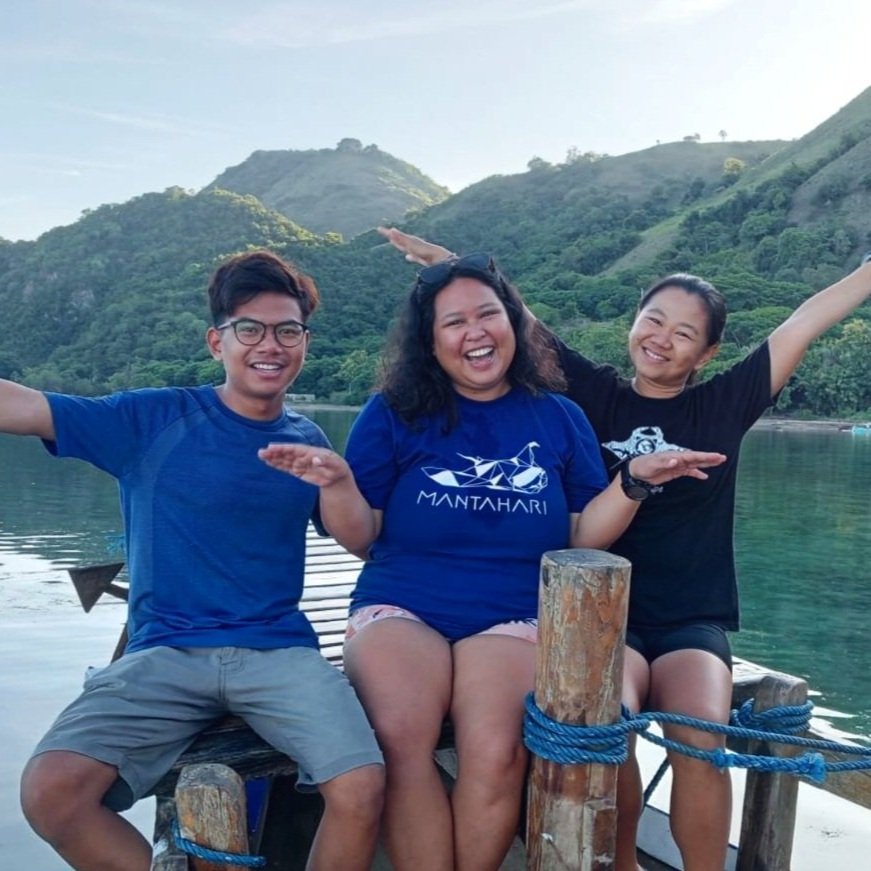
Thank you MANTAHARI!!
We are incredibly grateful for the continued support of Mantahari Oceancare (opens in a new tab)! Their generous ~$9,000 USD donation for 2024 will provide vital support for three projects: Komodo fieldwork, the Nusa Penida Turtle Project, and the Manta Ray Reproductive Ecology Project.


Adopt a manta ray
The world's largest rays, studied by MMF scientists in Mozambique, South Africa, Indonesia, and the USA.
Get news like this in your inbox
Field news, new science, and ways to help, a couple of times a month.
Mozambique
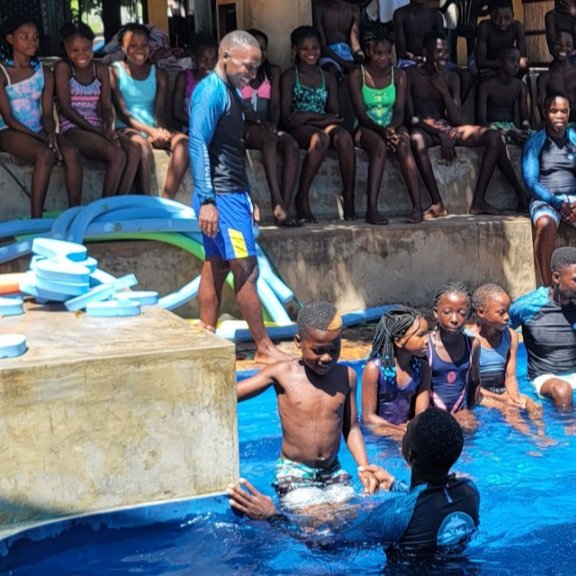
Swimming & Water Safety
The MMF swim instruction team have been upgrading their knowledge, ensuring they can effectively teach kids vital swimming and water safety skills throughout the area. They’ve already delivered these lifesaving programs directly to communities in Tofo, Barra, Morrungulo, and Bazaruto!
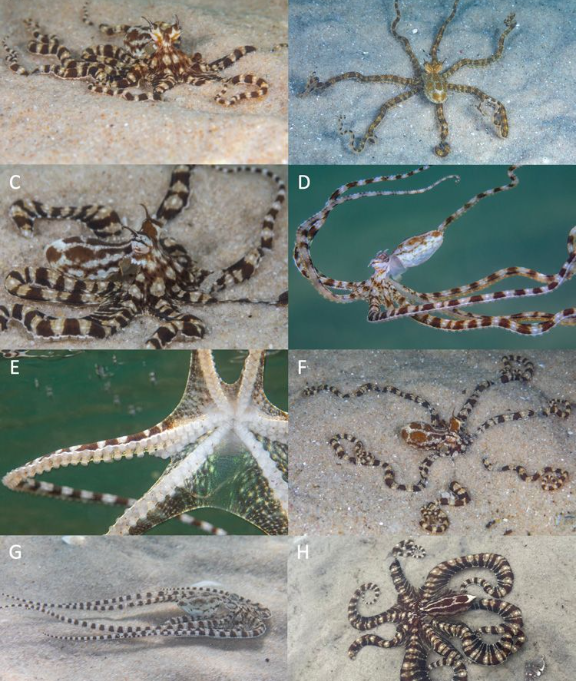
Mimic Octopus in Mozambique
In collaboration with Taryn Gilroy from The Sanctuary (Santuário Bravio de Vilanculos) (opens in a new tab), Andrea and Janneman have made an extraordinary discovery off the coast of Mozambique – the elusive, charismatic, and fascinating mimic octopus. It’s a range extension of 3,000 miles!
Read the Press Release
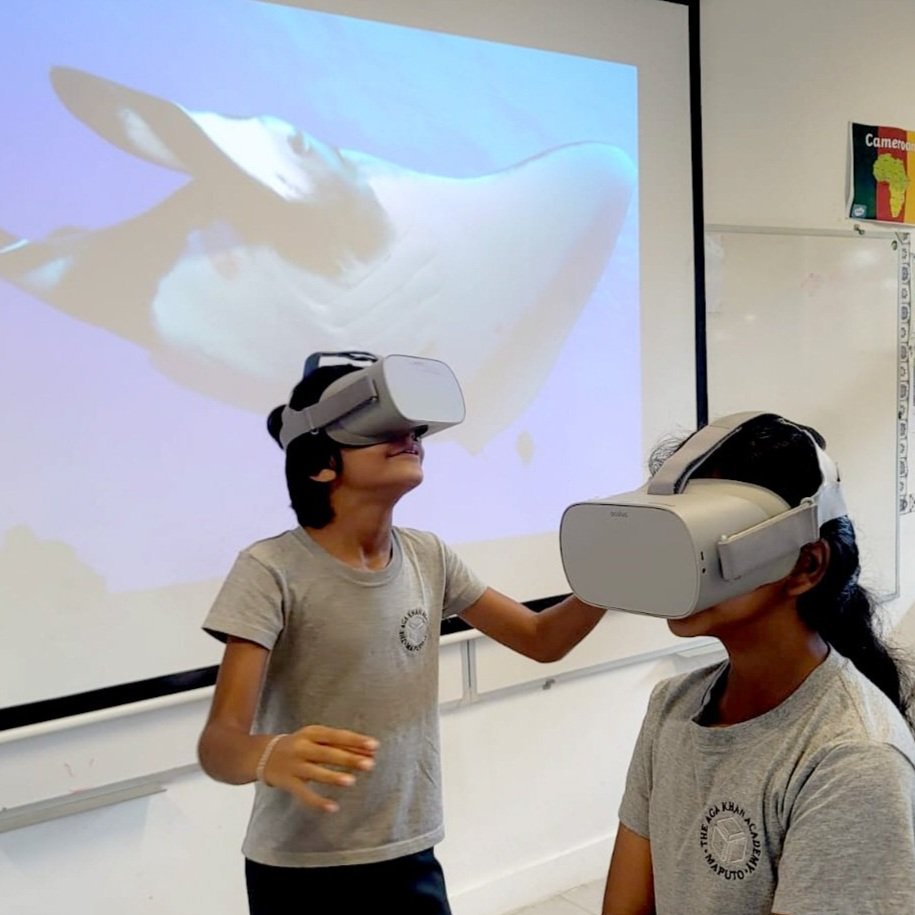
Education Program Expands to Maputo
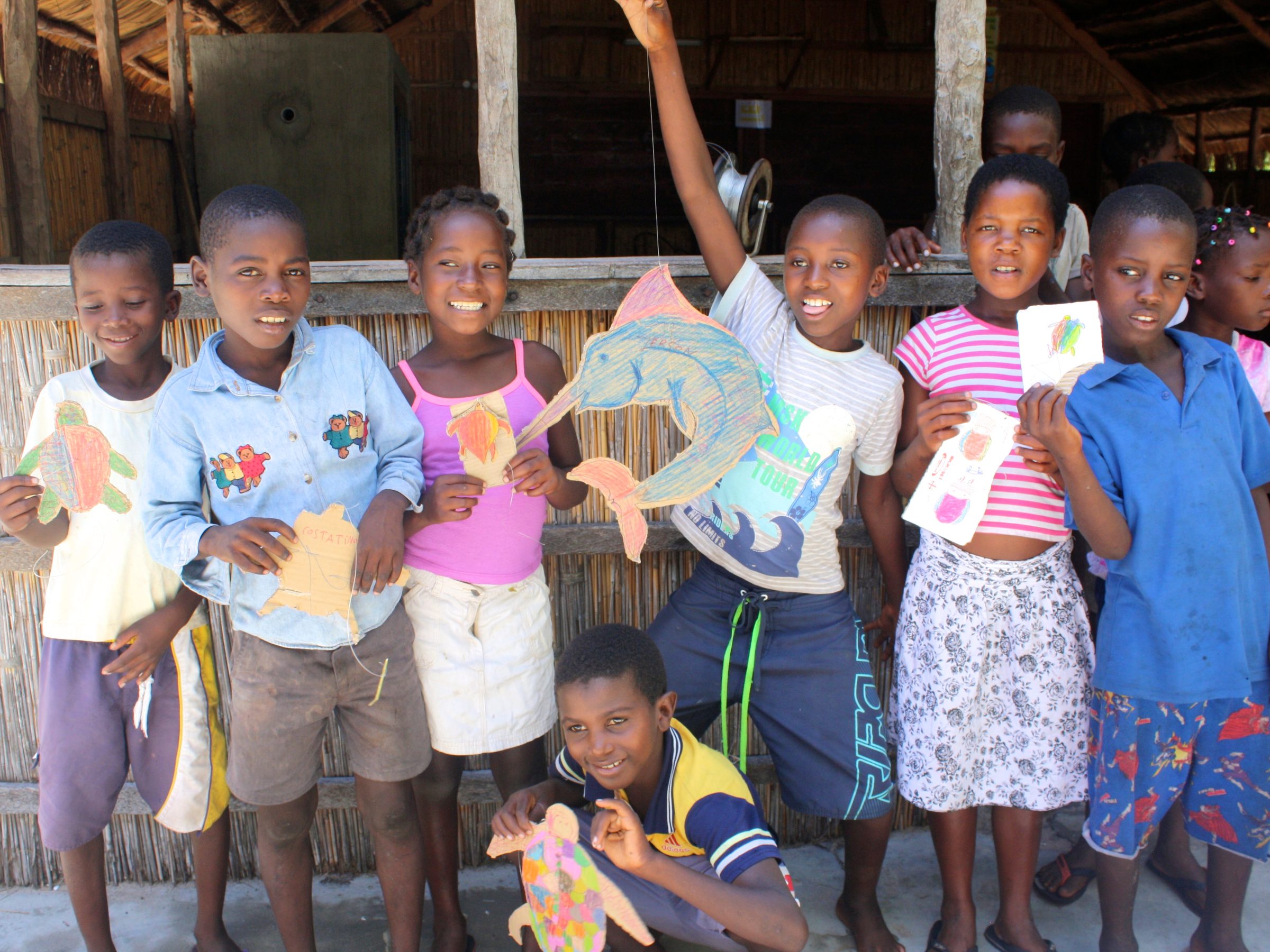
Our flagship Nemos Pequenos program partnered with the Malamba Coastal Collaborative to inspire students in Malamba and Mazuene schools. The program also reached the nation’s capital in Maputo through a partnership with Aga Khan Academy (opens in a new tab) School. We’ve introduced our VR headsets into the programs, creating an immersive experience that fosters a deep appreciation for the ocean in young minds – it’s the closest thing to diving we can share on dry land.
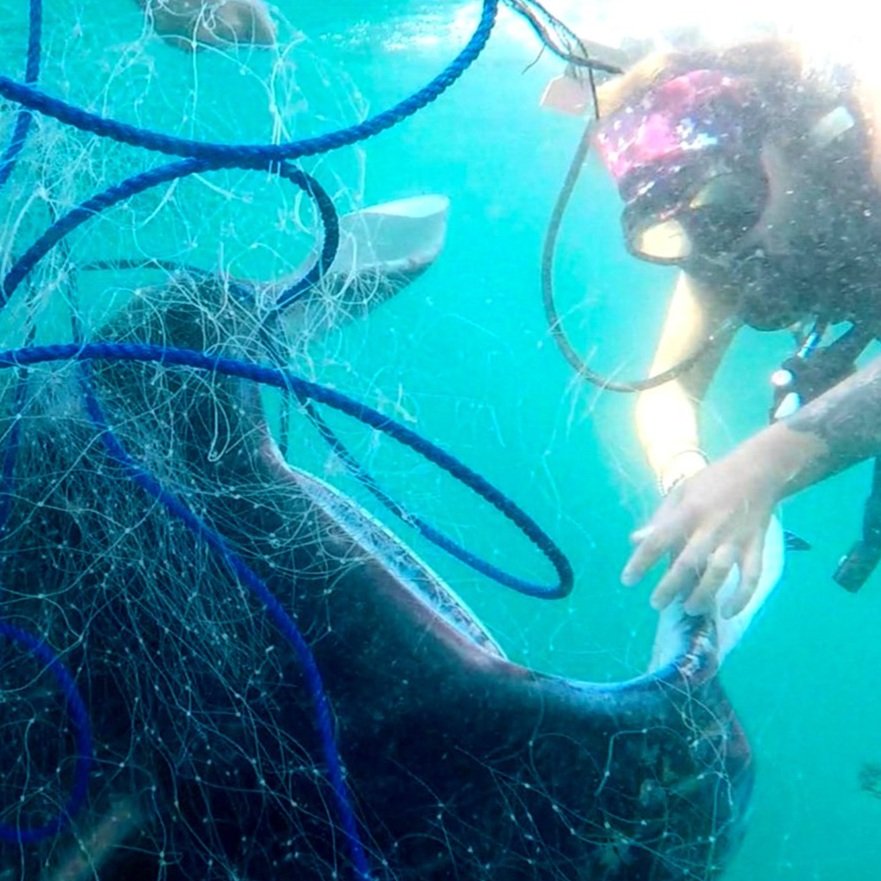
Taking Action on Gill Nets & Pollution
Simão, Lelia, and Bilardo Nharreluga joined forces with Závora’s Research Manager, Nakia Cullain, for a Community Fisheries Council (CCP) meeting to find solutions for the growing problem of discarded gill nets being sighted more frequently at hotspots for mantas and other species, causing entanglements.
Lelia also participated in a government workshop on oil spill and pollution remediation to ensure our team can respond and lead effectively to any environmental disasters.
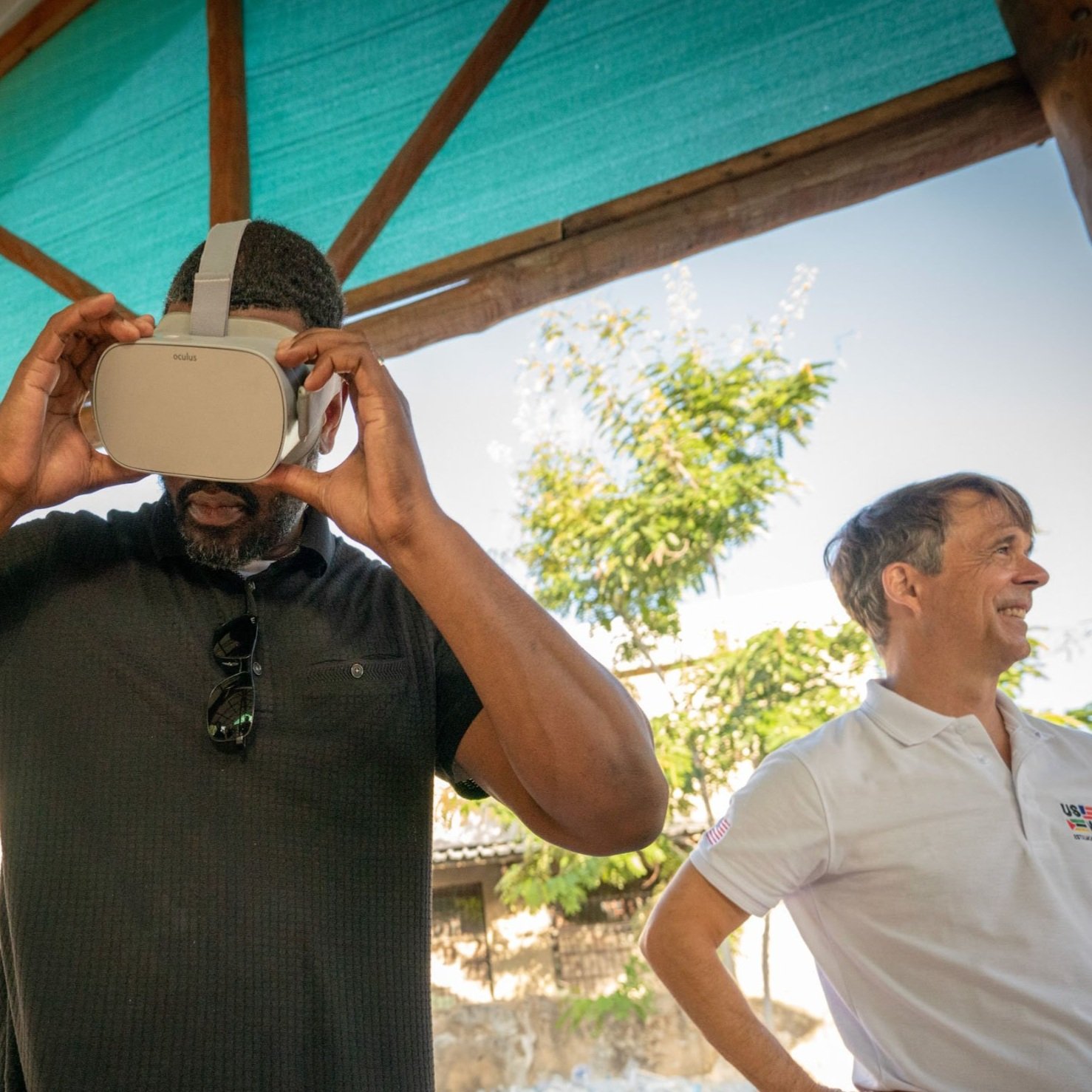
Introducing Nemos Pequenos to International Guests
During a recent visit to Inhambane Province, Mozambique, distinguished guests learned more about MMF’s environmental work. The Administrator of the U.S. Environmental Protection Agency (EPA), Mr. Michael Regan, and the US Ambassador to Mozambique, Mr. Peter Vrooman, were particularly interested in our flagship education program, Nemos Pequenos!
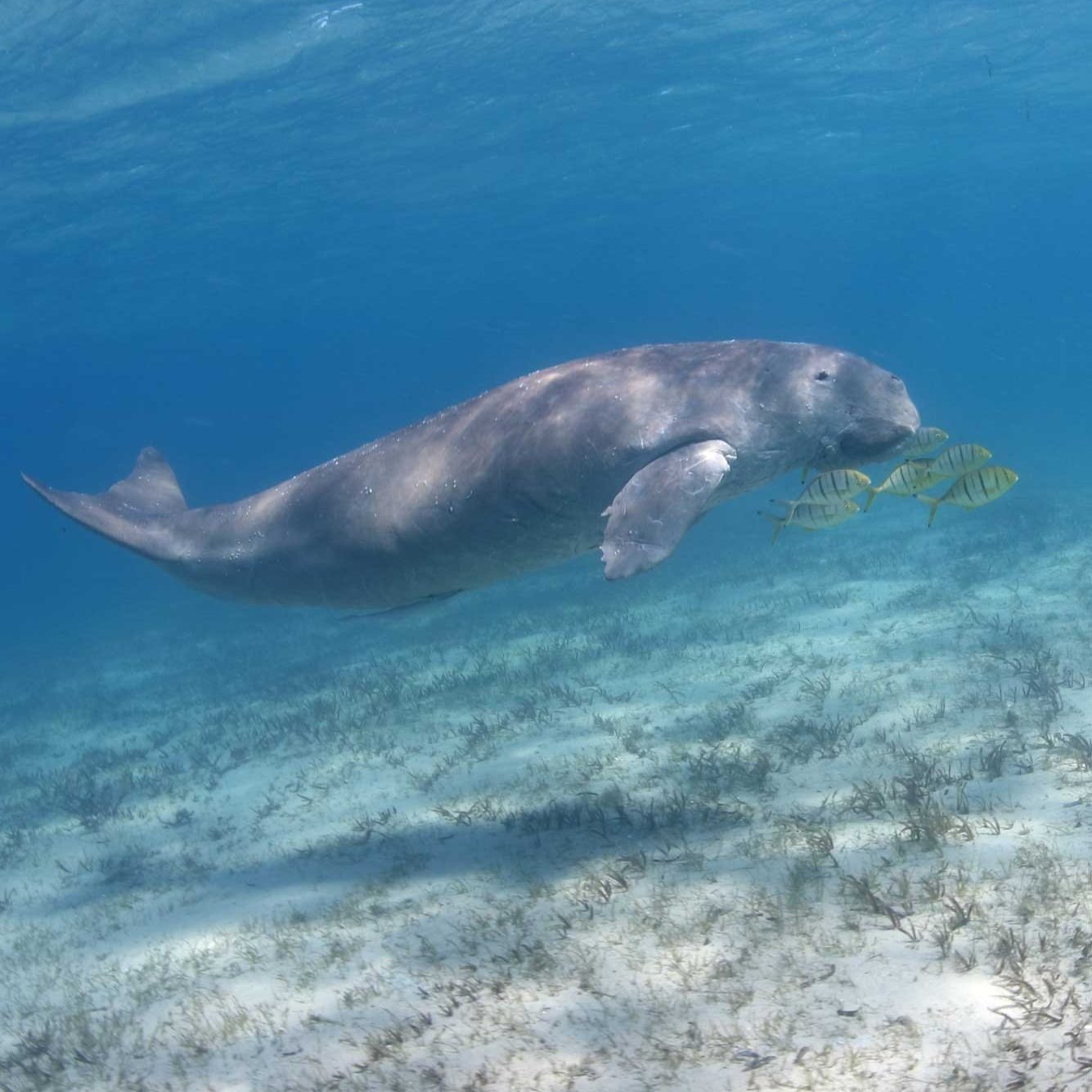
Empowering Communities in Seagrass & Dugong Monitoring
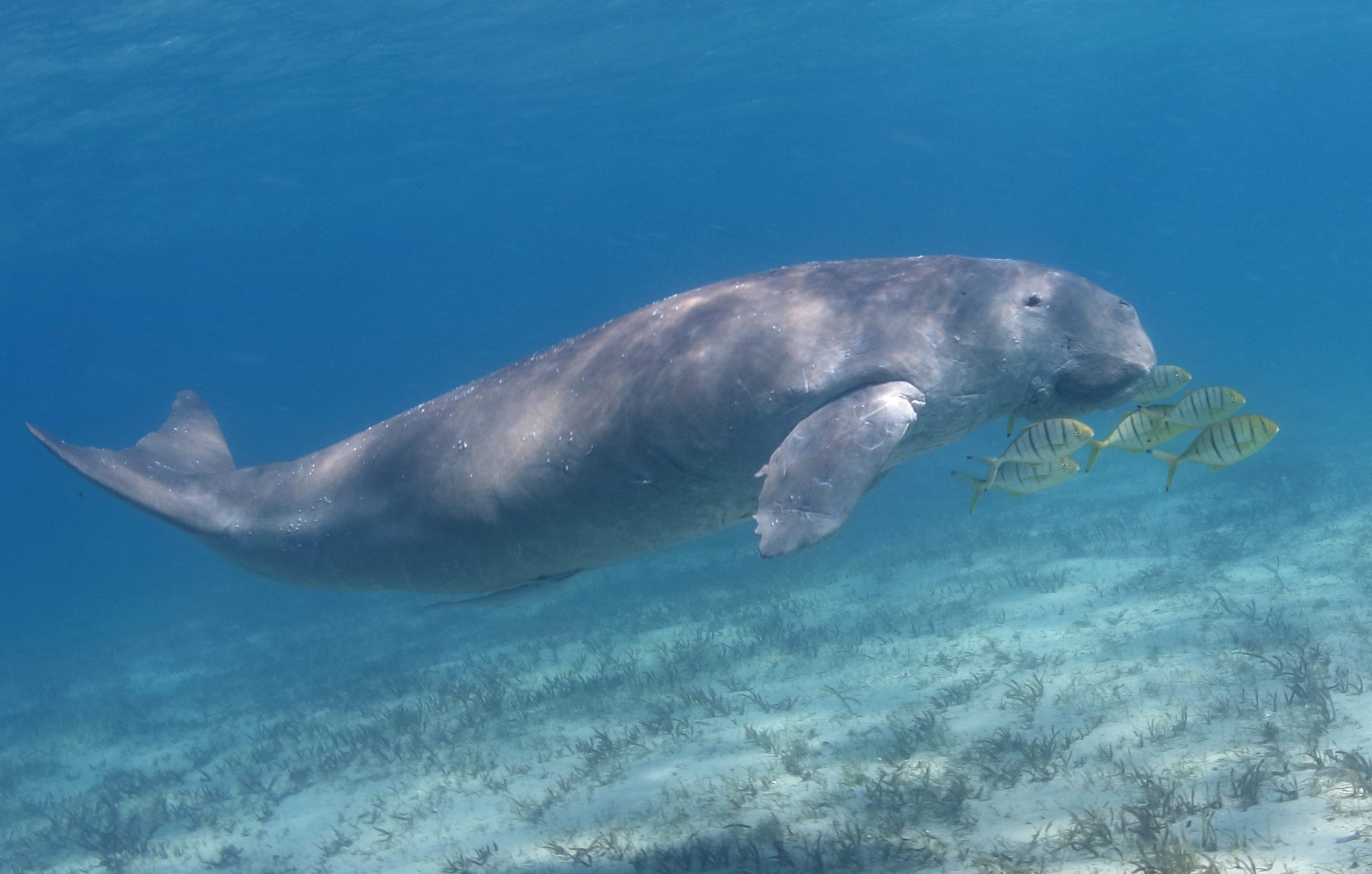
To enhance seagrass and dugong monitoring, four new citizen scientists from local communities have been trained in drone usage. This initiative equips them with the technology needed to effectively collect vital data on these crucial habitats – home to Africa’s largest dugong population. The Dugong Children Marine Education project has also kicked-off for the year in seven schools across Inhassoro!
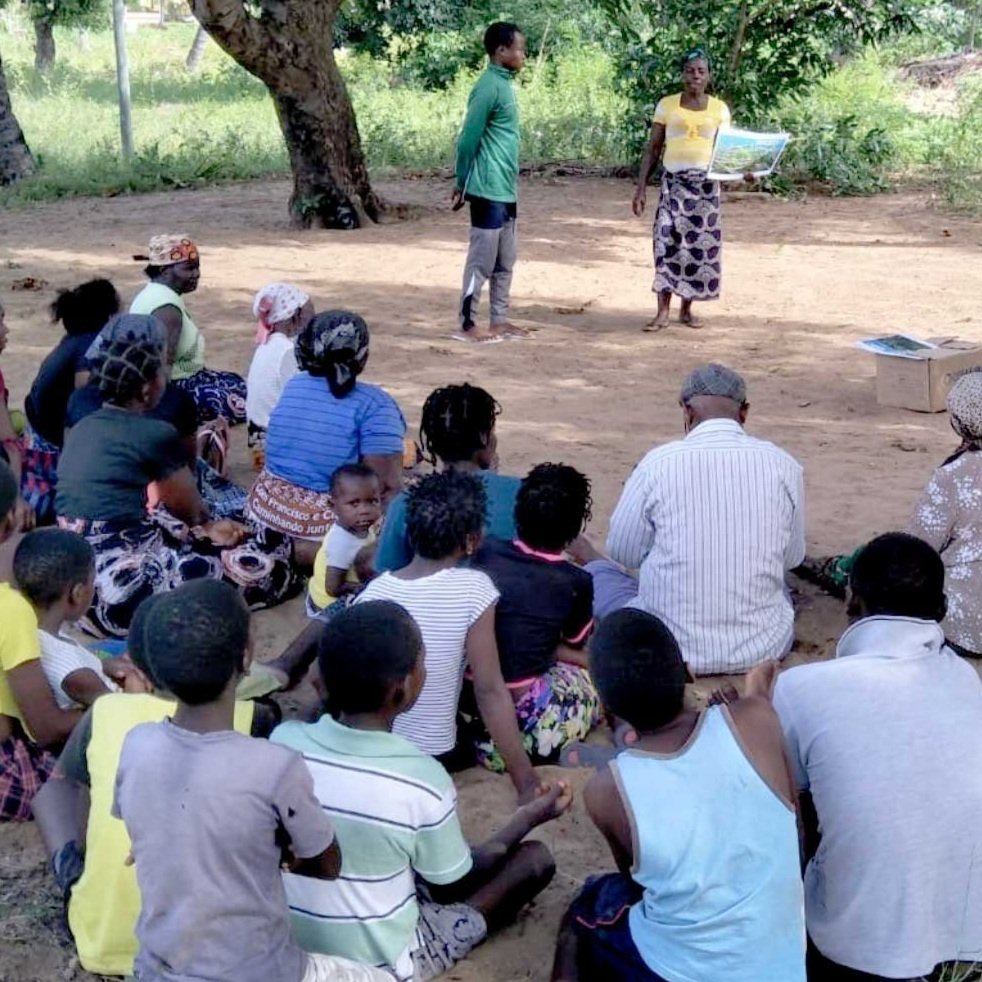
Levelling up our Ocean Ambassadors
MMF Ocean Ambassadors program trains local leaders to promote ocean health within their community. This month, we held training sessions to update their knowledge and skills in effective advocacy. Their presentations reached over 471 people, and community cleanups collected over 119 kg of rubbish from local beaches.
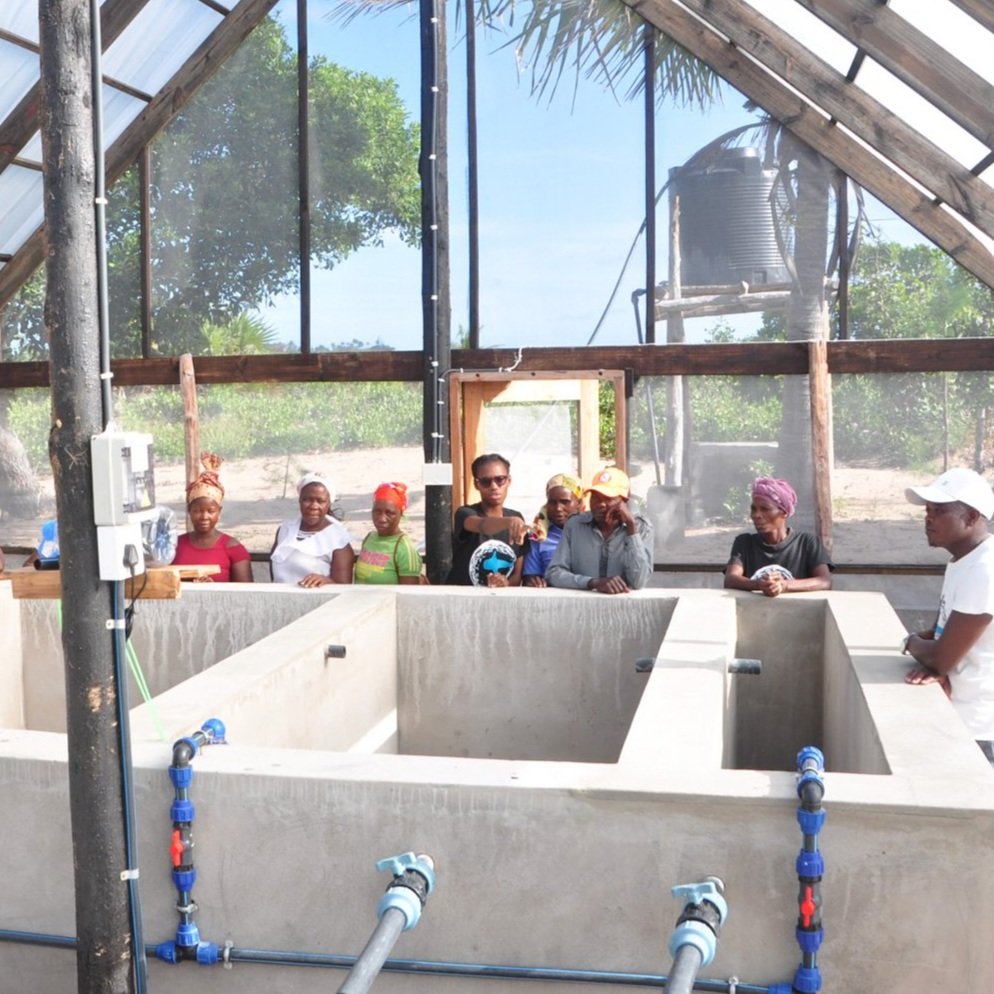
Providing Food Security & Income
The construction of a new aquaponics garden facility is complete – this innovative initiative will benefit 14 families in the Josina Machel community by providing them with a sustainable source of income and food security.
Training New Mozambican Researchers
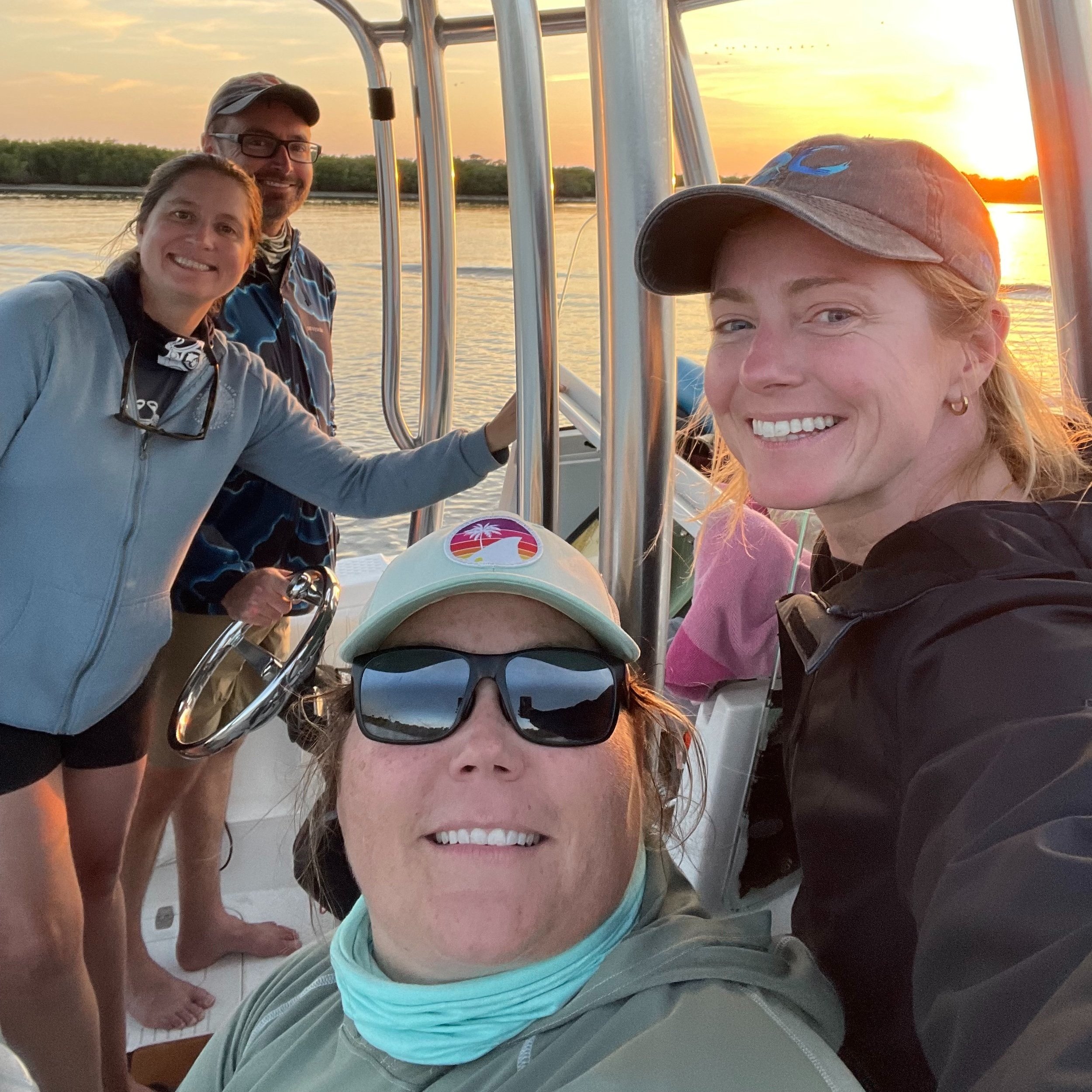
Lelia da Gloria has been analyzing 2023 BRUV surveys and training new research fellows Simão Sande and Dércio Maoze in video analysis and fish ID. They’ve also learned to scuba dive, have started giving talks on marine life, and video conferenced with our global team to learn more about tagging research, stable isotope studies, and marine research career paths.
Florida
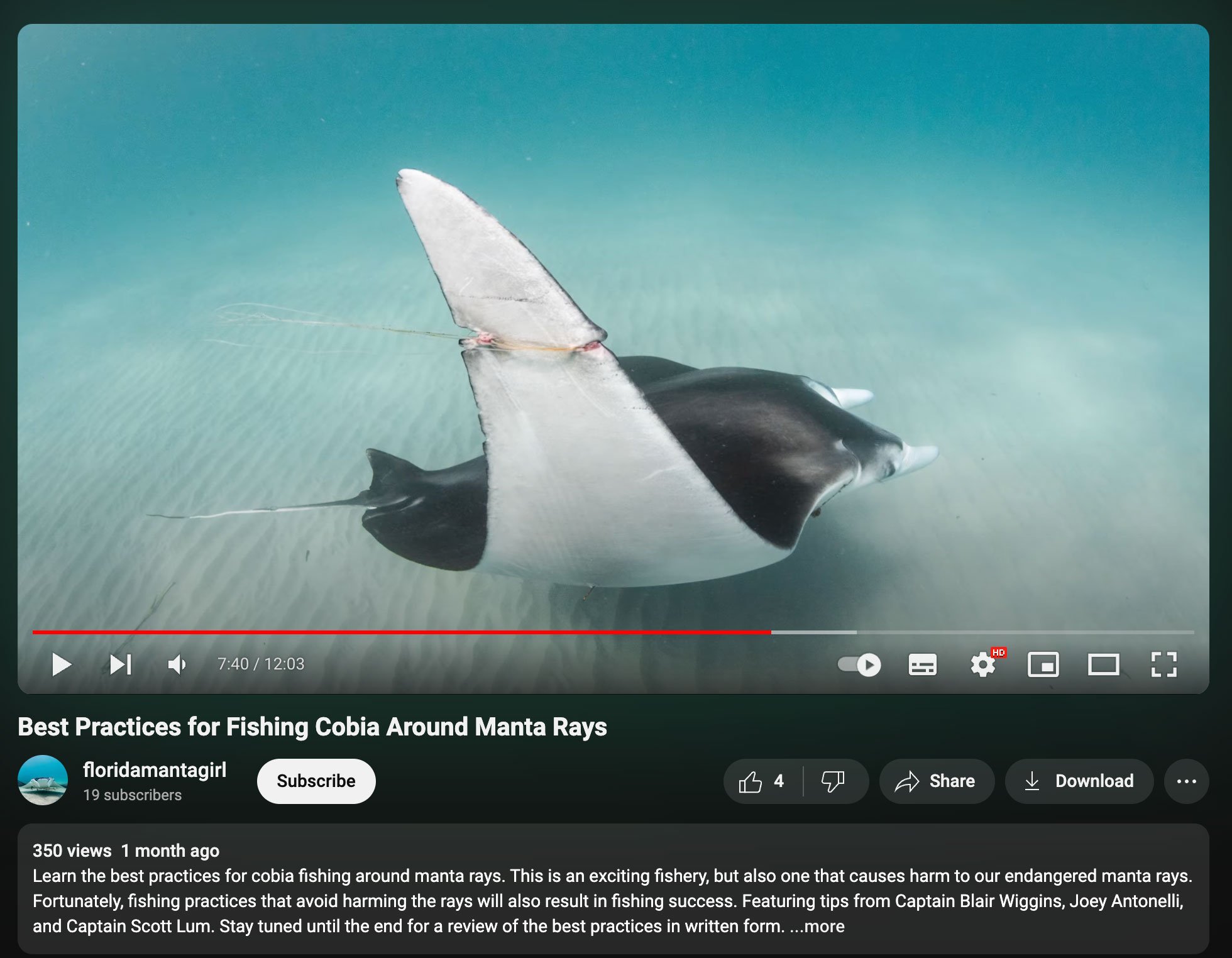
Launched the“Best Practices for Fishing Cobia Around Manta Rays” campaign
With manta ray entanglements and injuries on the rise, we’ve worked closely with local anglers to develop best practices for fishing for cobia around manta rays. The video is now available via the link below; we’d love you to share it with any fisher groups in your circles!
New Research on the Threatened Atlantic Guitarfish
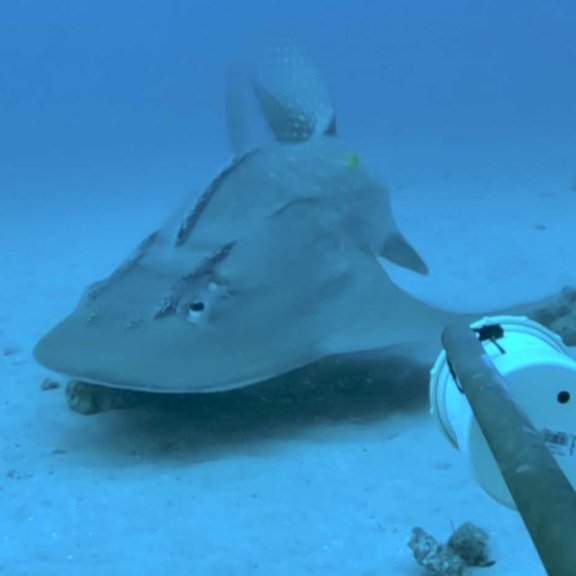
In South Florida, the project focused on Atlantic guitarfish research. Over 50 guitarfish have been spotted, and 9 acoustic tags deployed to discover their favorite habitats. An exciting development was witnessing and documenting guitarfish courtship behavior! With little published information currently available on this threatened species, the project’s observations will be a significant contribution to scientific knowledge and conservation.
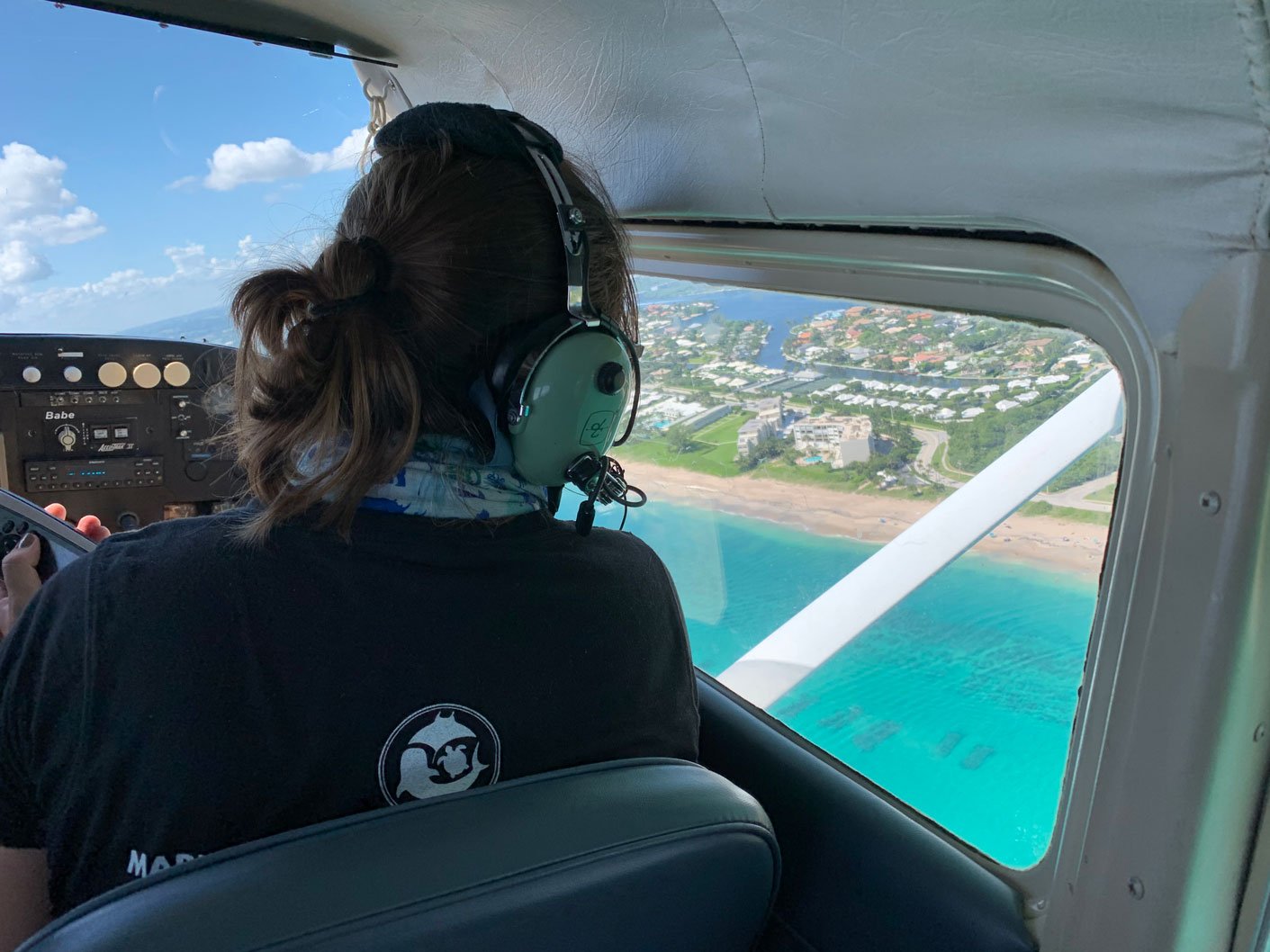
A record-breaking 113 manta rays on a single survey in central Florida!
The team then shifted its focus to central Florida to study the spring adult manta ray aggregation. Weekly aerial surveys saw a record-breaking 113 manta rays on a single survey! Researchers have documented several courting pairs and even witnessed manta rays breaching, showcasing their acrobatic abilities. Expanding their database, the project has successfully tagged 3 manta rays with satellite tags, and photo-identified 7 new manta rays. These efforts, along with sightings of leatherback and green turtles, and even a white shark, showcase the vibrant marine life thriving in central Florida waters.
We can’t do all this alone.
Can you join MMF as a monthly supporter?
Your support is crucial in fueling these vital efforts. By joining us, you become a champion for our ocean planet. Your membership directly contributes to:
-
Cutting-edge research on endangered marine wildlife
-
Empowering local communities through sustainable livelihoods
-
Educating the next generation about ocean conservation
Together, we can create a healthier, more vibrant ocean for all.
Thanks again for your support!
Dr Simon Pierce
Co-founder, Marine Megafauna Foundation
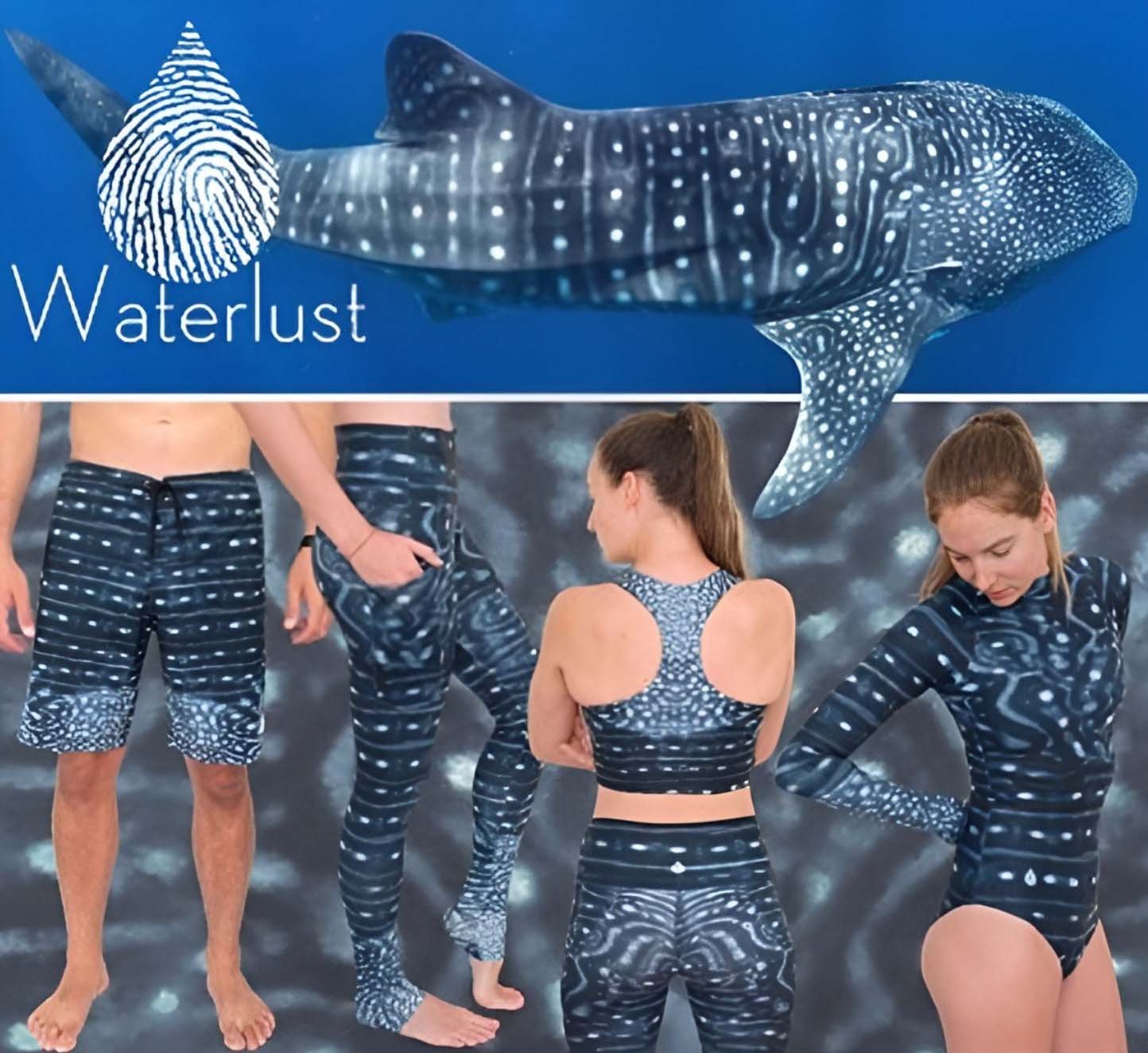
Waterlust donates 5% of each sale from their iconic whale shark range to MMF’s Global Whale Shark Program. When you use the button below, they’ll donate an additional 20%! Click here to see the range (opens in a new tab)
Support work like this
Gifts from supporters fund MMF's research, education, and conservation work to protect the ocean's giants.
Related projects
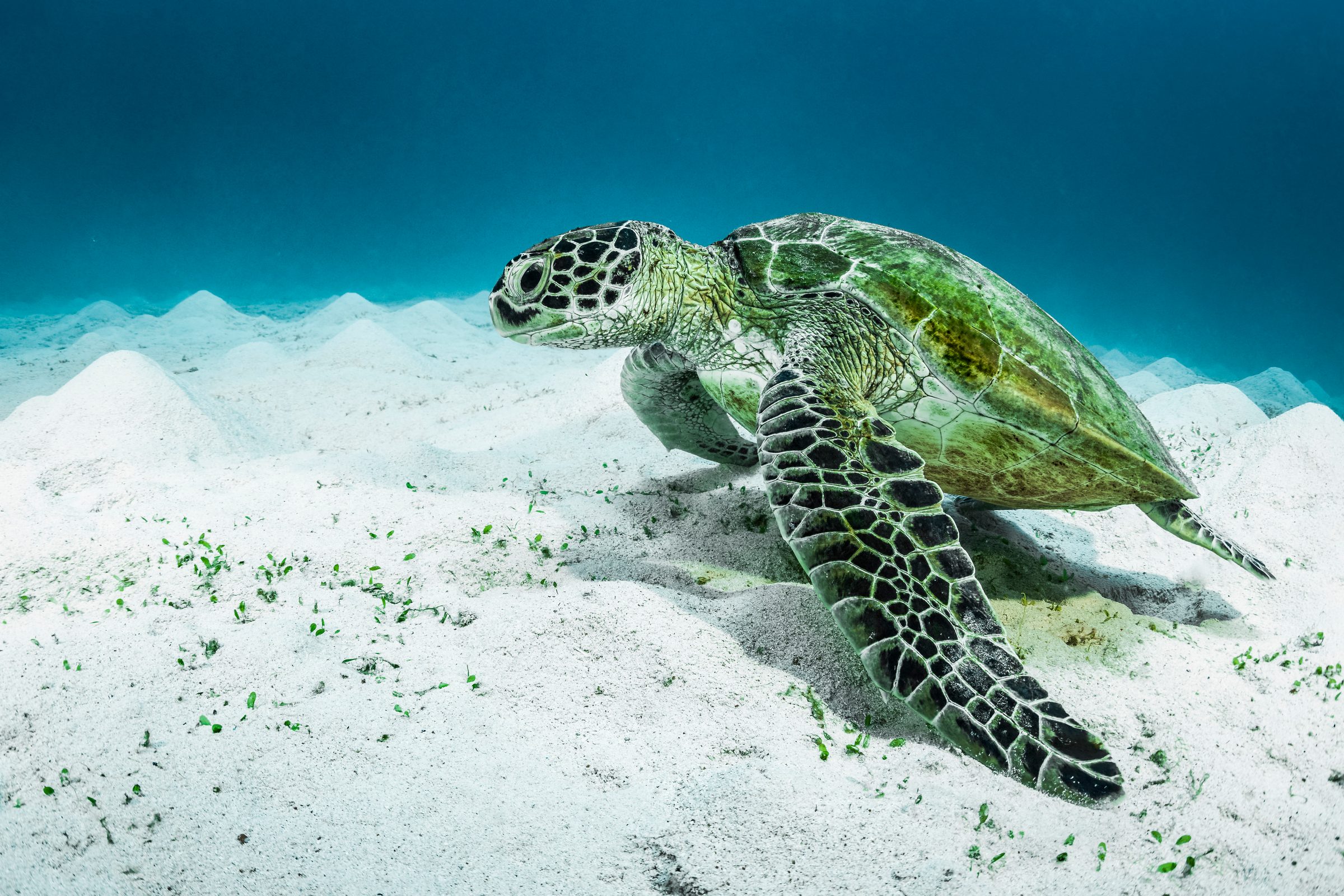 IndonesiaIndonesia Sea Turtle ProjectLong-term, non-invasive photo-identification and size measurements of hawksbill and green turtles in Bali, East Kalimantan, and Komodo National Park.
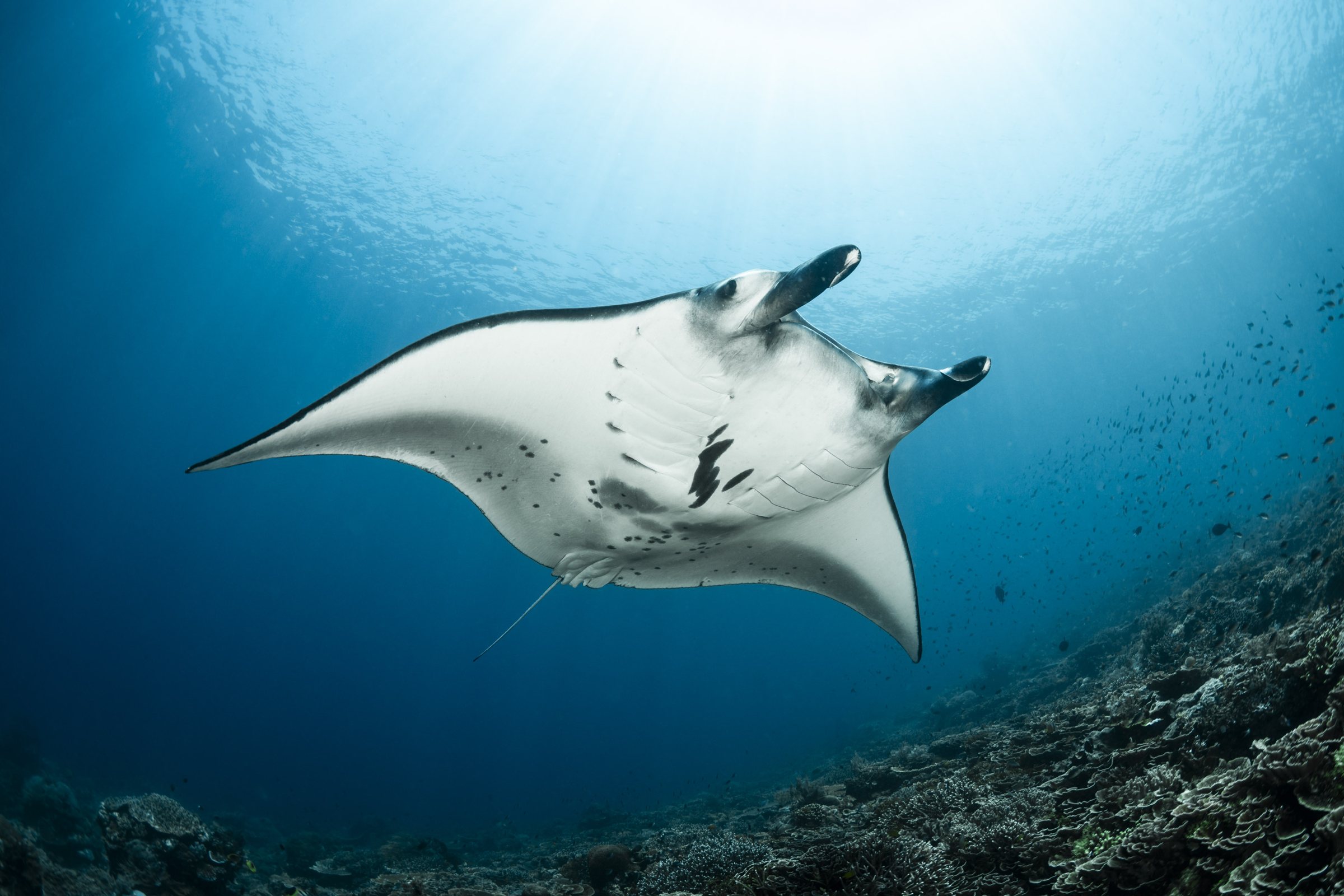 IndonesiaIndonesia Manta Ray ProjectWe have followed Indonesia's reef manta rays since 2012, and the data helped protect the species nationwide.
 MozambiqueMozambique Ocean Guardians Education ProgramMarine conservation lessons, swimming, and water safety for children and young people on Mozambique's Inhambane coast, taught by local instructors since 2012.
 MozambiqueDugong & Seagrass ConservationMapping the unprotected seagrass meadows of the Bazaruto Seascape, monitoring the dugongs that feed on them, and working with fishing communities to protect them.