Where we work
Mexico
In Mexico, MMF has contributed to research led by Mexican partners: on oceanic manta rays at Revillagigedo, and on whale sharks off the Yucatan Peninsula and in the Gulf of California.
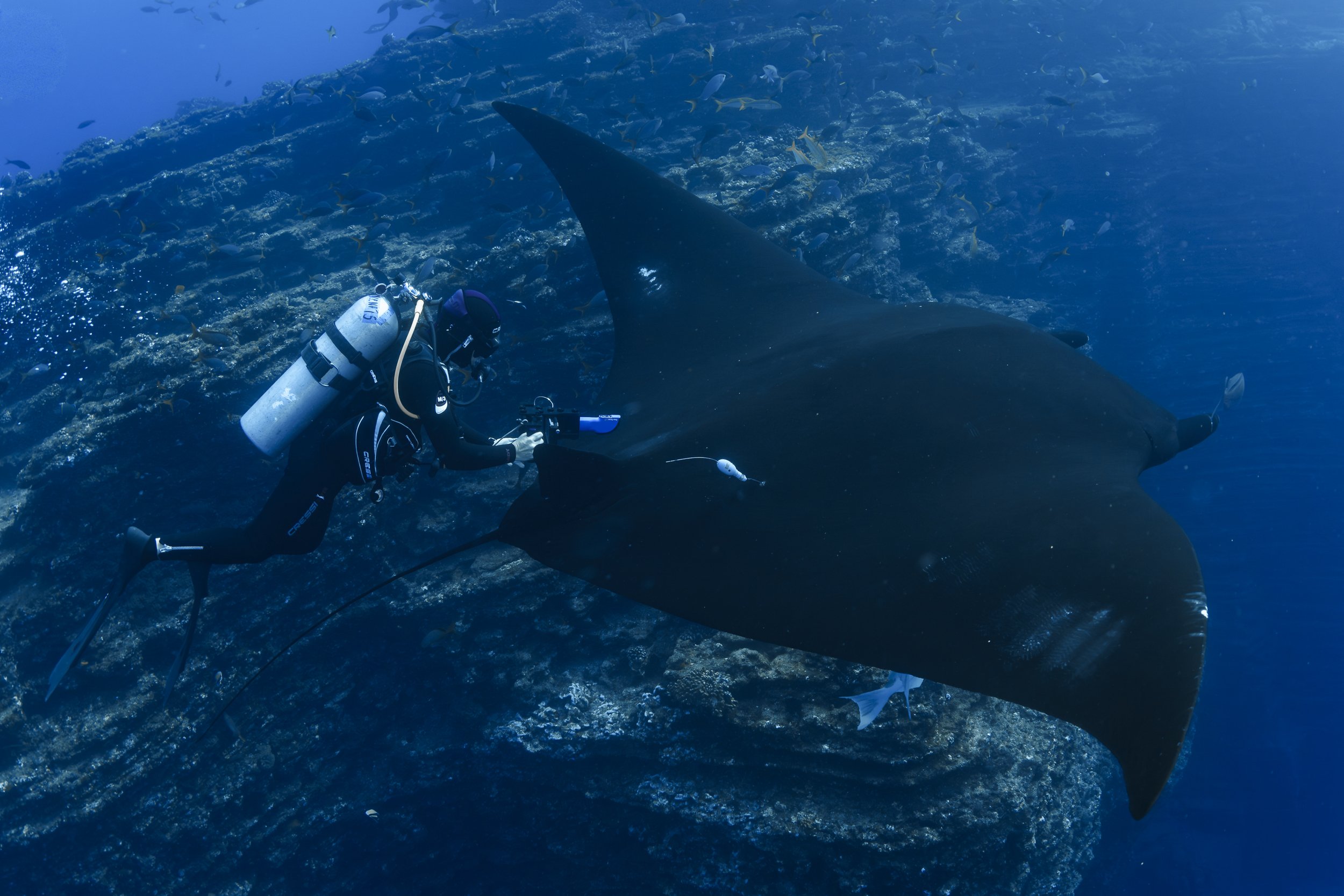
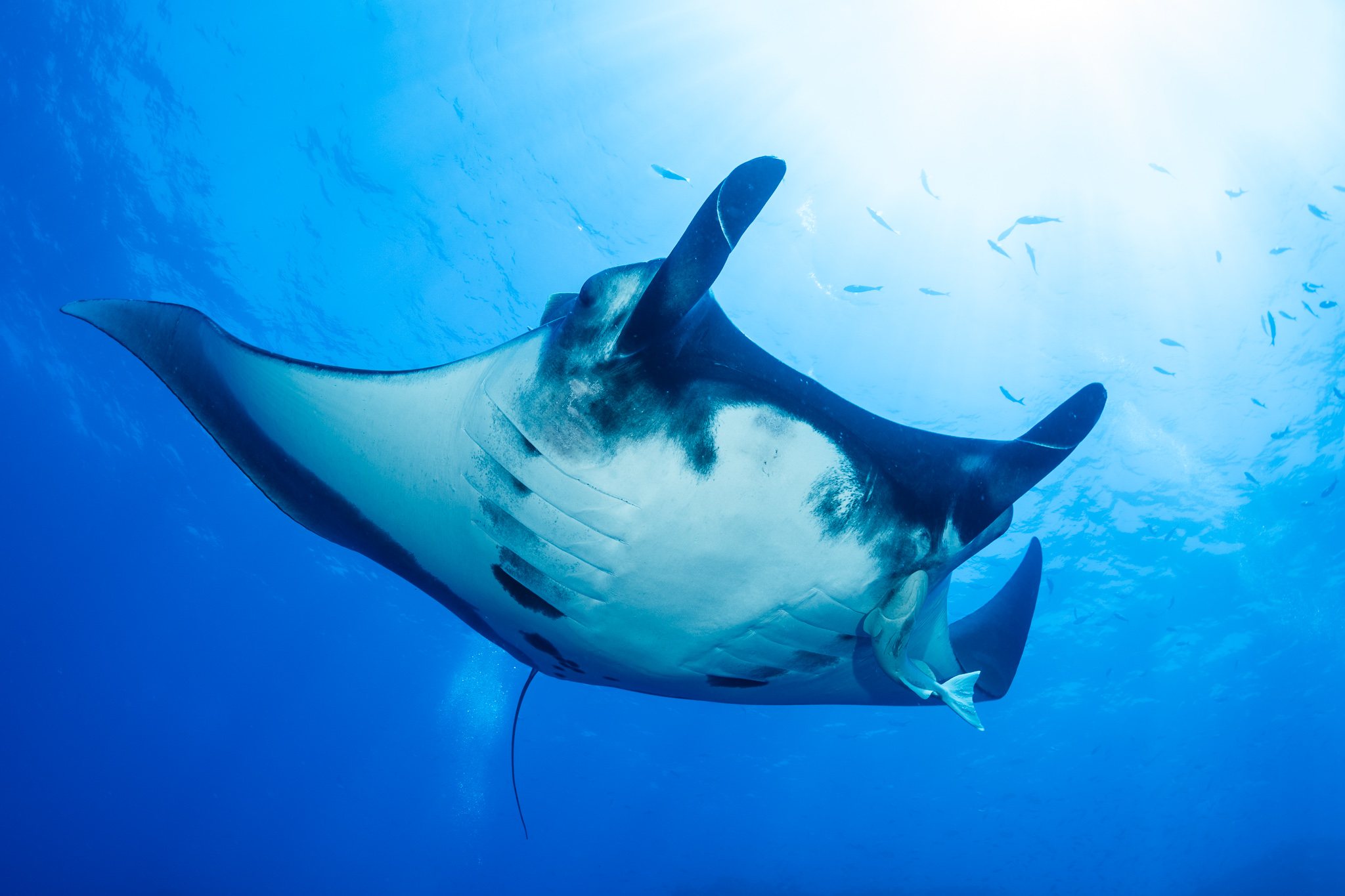
Mexico’s waters hold some of the most important sites in the world for the species we study, and Mexican researchers have studied them for many years. Our role here is to contribute to research that they lead. At Revillagigedo National Park, in the Pacific, we organized and joined expeditions between 2024 and 2026 for research on oceanic manta rays (Mobula birostris) led by Dr. Madalena Cabral of Cuidando los Mares de México. MMF’s Jessica Pate is a co-author of the resulting study, the first to use underwater ultrasound to confirm pregnancy in free-swimming rays of this species, and further results are being prepared for publication.
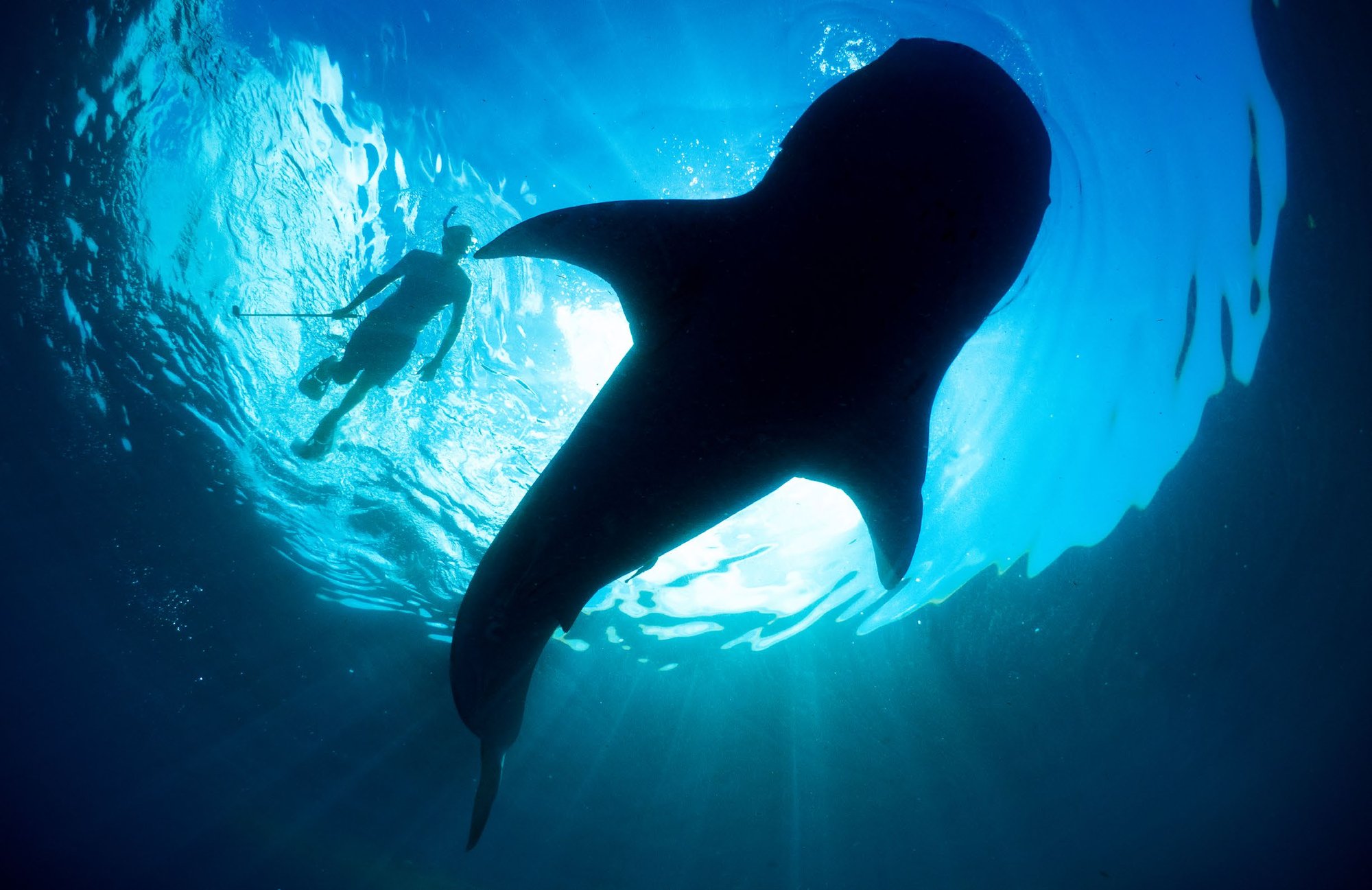
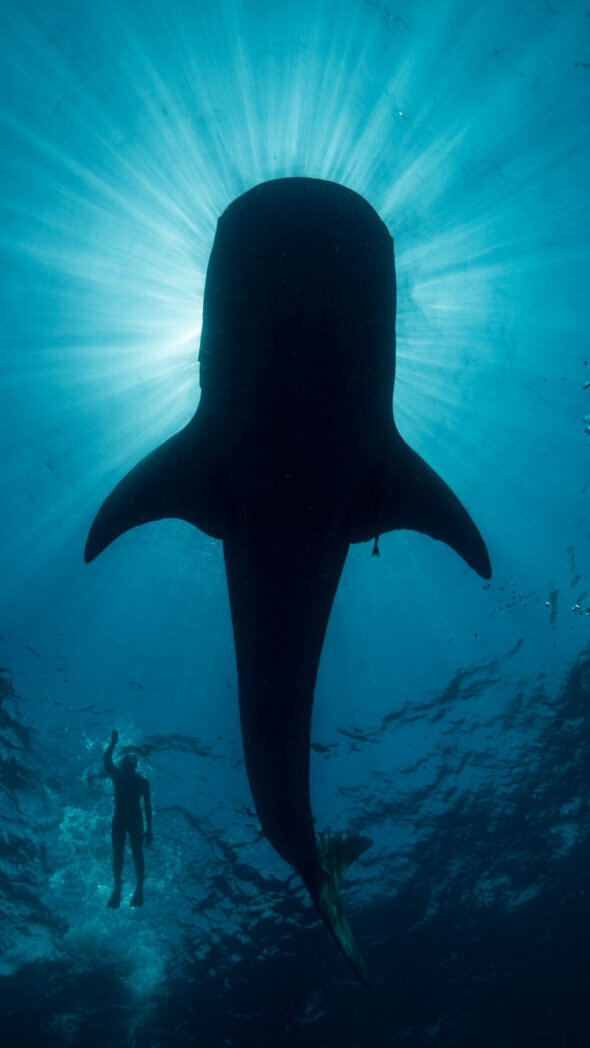
Off the Yucatan Peninsula, where whale sharks (Rhincodon typus) form the largest aggregation of the species yet reported, MMF scientists have worked alongside Rafael de la Parra of Ch’ooj Ajauil AC since 2013; Dr. Clare Prebble leads our part in that work today. On the Pacific coast, Dr. Simon Pierce contributed to a completed satellite-tracking study, led by Dr. Dení Ramírez-Macías of Whale Shark Mexico, in which the adults tracked left the Gulf of California for the open ocean.
This work connects directly to our completed study at Utila, in Honduras. Whale sharks photographed off Honduras and Belize in spring have been seen off the Yucatan a few months later, and a 2017 study of the whole region found its strongest connections between those three countries.
Our projects in Mexico
Revillagigedo Manta Ray Research
Revillagigedo National Park is a well-known aggregation site for oceanic manta rays, and the first place where pregnancy has been confirmed in free-swimming oceanic manta rays by underwater ultrasound.
3 pregnancies confirmed in free-swimming oceanic manta rays by contactless ultrasound in 2026Led by Dr. Madalena Cabral, Cuidando los Mares de México A.C., with MMFAbout the project →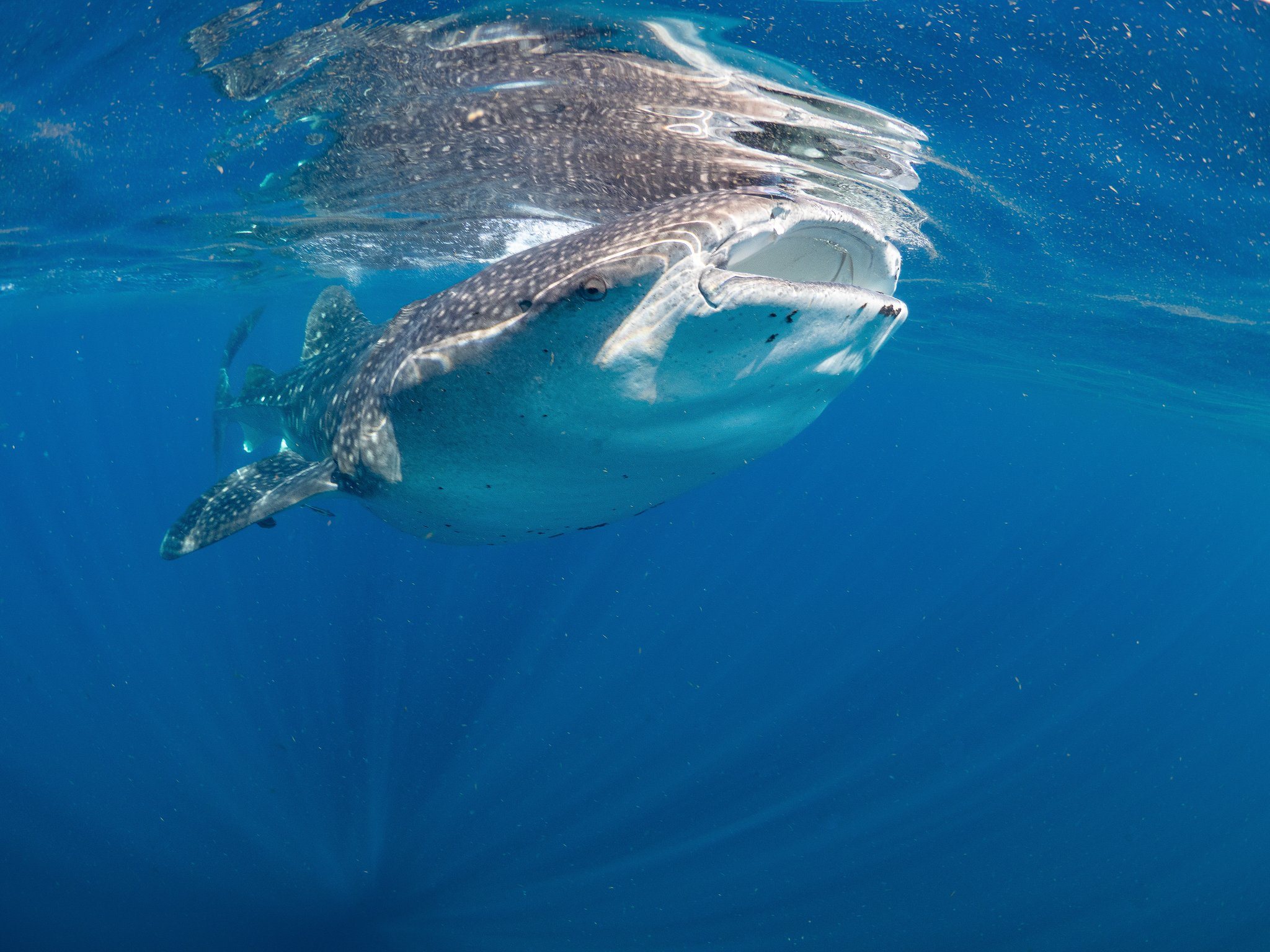
Yucatan Whale Shark Research
Each summer, hundreds of whale sharks gather off the Yucatan Peninsula to feed, forming the largest aggregation of the species yet recorded.
1,115 whale sharks identified off the Yucatan Peninsula, 2001–2015Led by Ch'ooj Ajauil AC, with MMFAbout the project →Completed projects
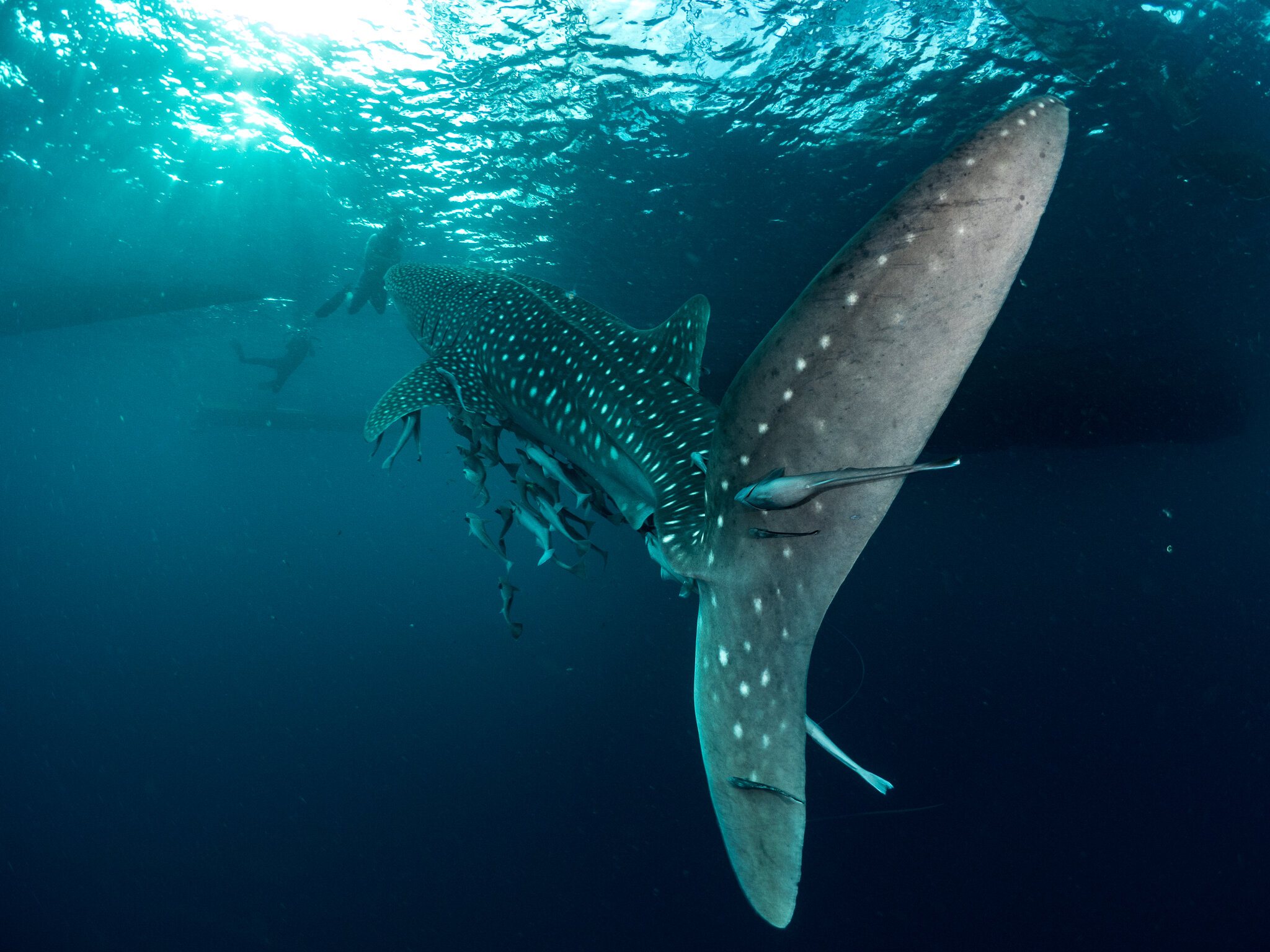 Gulf of California and eastern Pacific, MexicoPacific Mexico Whale Shark TrackingSatellite tags showed that the juvenile whale sharks tracked stayed inside the Gulf of California, while the adults, most of them apparently pregnant females, moved into the open Pacific.
What we work on
At Revillagigedo, a contactless underwater ultrasound confirmed pregnancy in three free-swimming oceanic manta rays in 2026, including one that showed no outward sign. The study's authors propose pairing such scans with satellite tracking, to learn where pregnant females give birth.
Whale sharks identified off the Yucatan are also seen in Belize, Honduras, and the United States. Photographs matched across the four countries show the strongest connections along the Mesoamerican Reef, between Mexico, Belize, and Honduras.
Satellite tags fitted in the Gulf of California showed that the juveniles tracked remained in coastal waters, while the adults, most of them apparently pregnant females, moved into the open Pacific.
Isla Mujeres, Isla Holbox, and Bahía de La Paz are among the whale shark sites worldwide where a 2024 study found the greatest need for measures to reduce collisions with large vessels.