
GLOBAL WHALE SHARK PROGRAM.
THE RESEARCH
TEAM.
The scientists behind the Global Whale Shark Program.
Our small team, led by Dr. Simon Pierce, has studied whale sharks since 2005 and led the IUCN Red List assessments that list the species as Endangered. Its work has drawn international media coverage and underpins the conservation of these ocean giants.
How we work
Our small group of whale shark specialists works within global and local projects, sharing expertise and offering guidance, mentorship, and support to strengthen local whale shark conservation.
This adaptable approach allows us to adjust our expertise to local needs, with a strong emphasis on building local capacity so that national researchers and communities can protect whale sharks themselves. We lead projects in Mozambique, Tanzania, and Oman. We also work with the Qatar Whale Shark Research Project, the Galapagos Whale Shark Project, the Madagascar Whale Shark Project, and the Biopixel Oceans Foundation, which led the Coral Sea project, and we have completed studies with partners in the Philippines and at Utila in Honduras.
We develop and apply non-invasive research techniques, from parallel-laser photogrammetry, which measures a swimming shark using a laser scale in the photograph, to underwater ultrasound, so that conservation decisions rest on sound data.
Our team members led the 2016 and 2025 global Red List assessments for whale sharks, led the technical proposal that listed the species on Appendix I of the Convention on Migratory Species, and have contributed to legal protection for the species and its habitats in countries including Mozambique and Madagascar.
Global Team
-
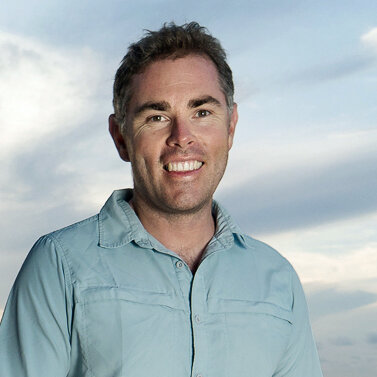
Dr Simon Pierce
CO-FOUNDER & EXECUTIVE DIRECTOR
Dr. Simon Pierce co-founded MMF and leads the Global Whale Shark Program. He began long-term whale shark research in Mozambique in 2005 and now leads our work in Oman and the Galápagos, and took part in the Coral Sea project. Simon co-edited Whale Sharks: Biology, Ecology, and Conservation, the first scientific textbook on the species, with Dr. Alistair Dove in 2021, was the lead assessor for the 2025 IUCN Red List assessment of whale sharks, and serves on the IUCN Shark Specialist Group. His recent papers include the 15-year record of whale shark decline off southern Mozambique and the deepest dive yet recorded for the species.
-
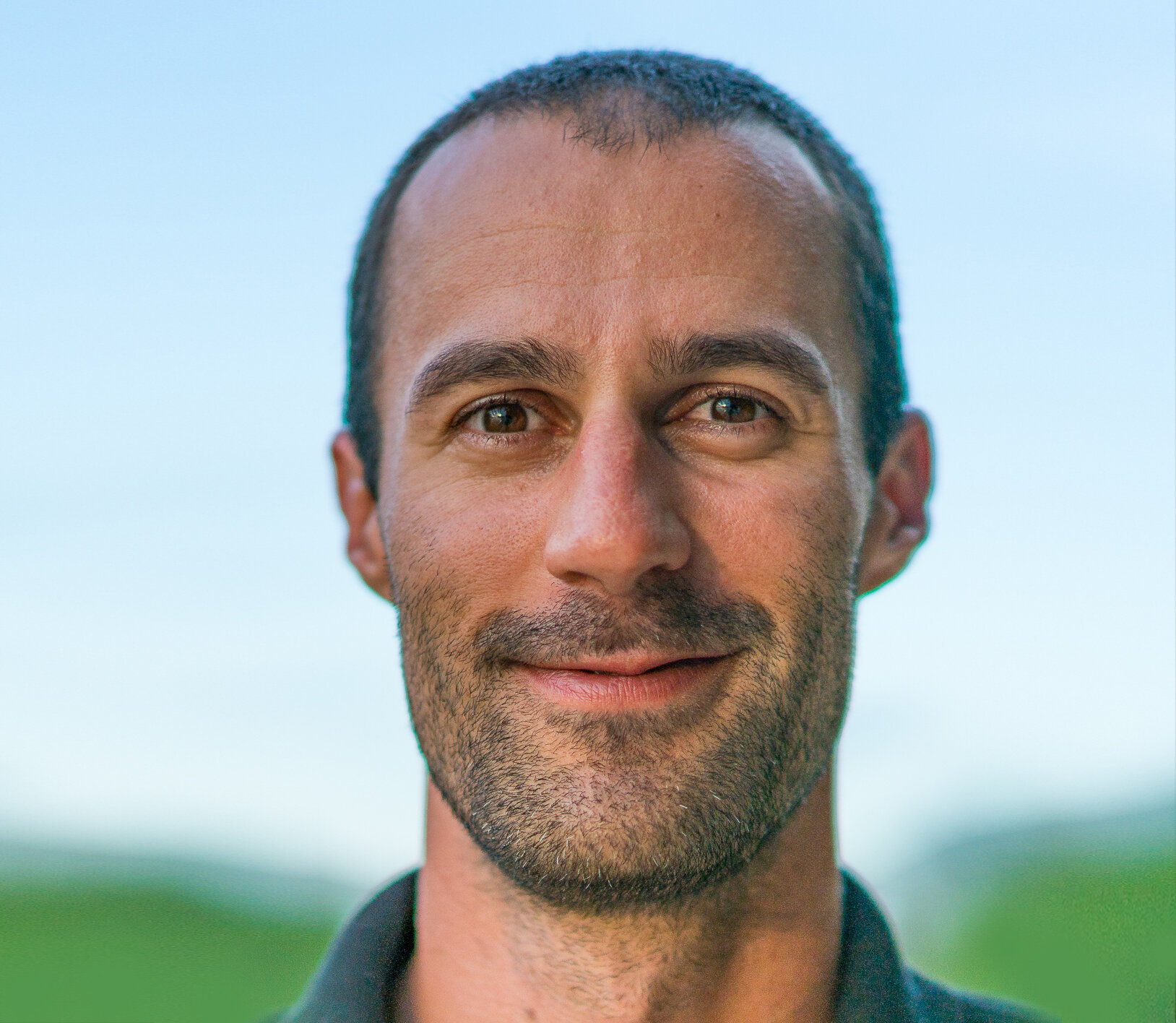
Dr Chris Rohner
PRINCIPAL SCIENTIST
Dr. Chris Rohner completed his PhD on whale sharks in 2012, the first doctoral research on the species in Africa. A specialist in satellite tracking, population modeling, and shark ecology, Chris leads the Tanzania Whale Shark Project at Mafia Island and provides population modeling and scientific support across the Global Whale Shark Program. His recent papers include the long-term population monitoring study at Mafia Island, the global ranking of priority sites for ship-collision management, and the acoustic study of whale shark residency in Qatar.
-
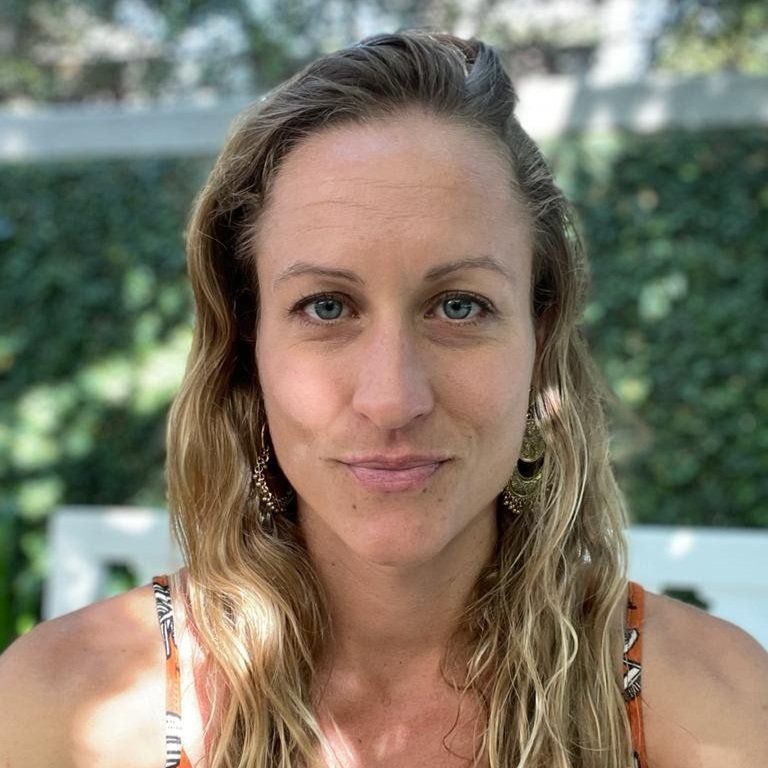
Dr Clare Prebble
SENIOR SCIENTIST
Dr. Clare Prebble leads the Mozambique Whale Shark Project from our base in Inhambane Province. She has been at the forefront of applying biochemical ecology, which reads diet and movement from chemical signatures such as stable isotopes and fatty acids in shark tissue, to whale sharks, and completed her PhD on the species in 2018. Her recent papers include the stable-isotope study of whale shark feeding at Mafia Island and the 15-year record of decline off southern Mozambique.
Research Associates
-
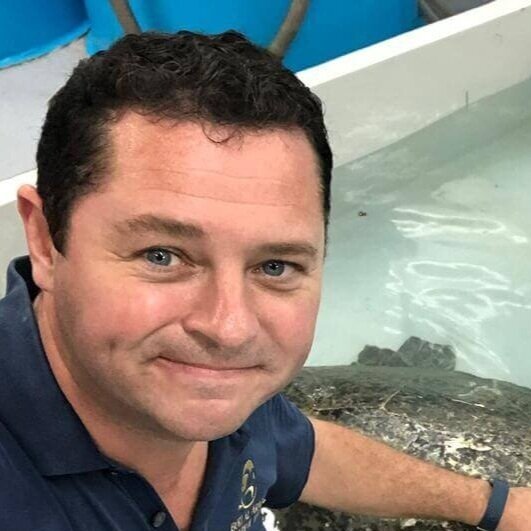
Dr David Robinson
RESEARCH ASSOCIATE
David leads the Qatar Whale Shark Research Project and founded the Sharkwatch Arabia citizen-science network, which has documented whale sharks in the region since 2010 and now underpins our Oman Whale Shark Project. He completed his PhD in 2016 on the ecology of whale sharks in the Arabian Gulf and the Gulf of Oman, focusing on the Al Shaheen aggregation off Qatar, and was a co-assessor on the 2025 IUCN Red List assessment.
-
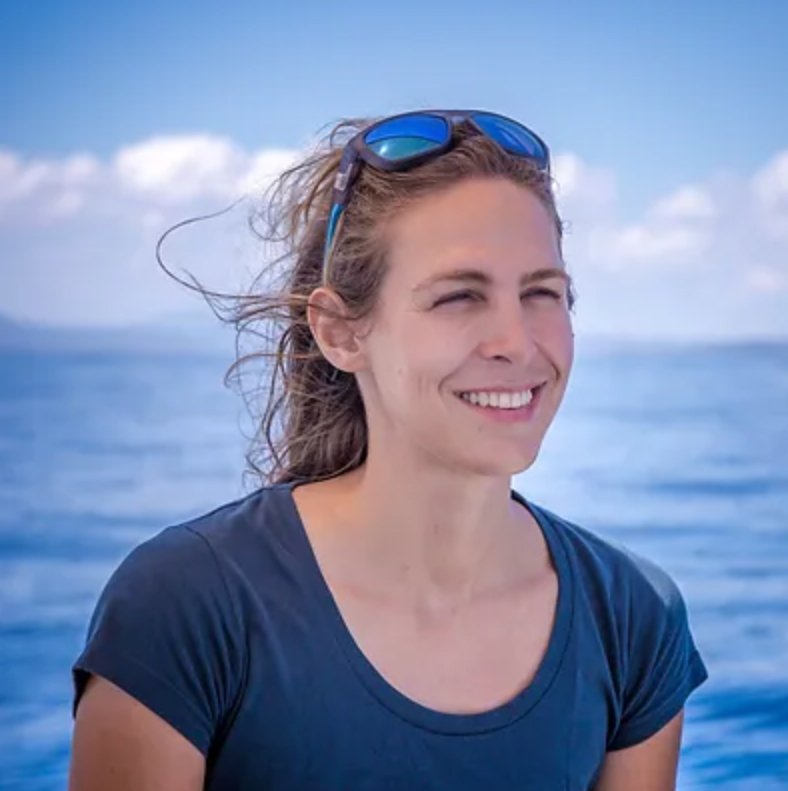
Stella Diamant
RESEARCH ASSOCIATE
Stella, a biologist with an MSc from Imperial College London, founded the Madagascar Whale Shark Project in 2016 following her own encounter with a whale shark in Nosy Be. As project lead, she focuses on collecting ecological data, advocating for sustainable management, and educating local communities and the wider public. She led the study that set the first population baseline for the Nosy Be aggregation, and the project’s tourism code of conduct became Malagasy law in December 2023.
-
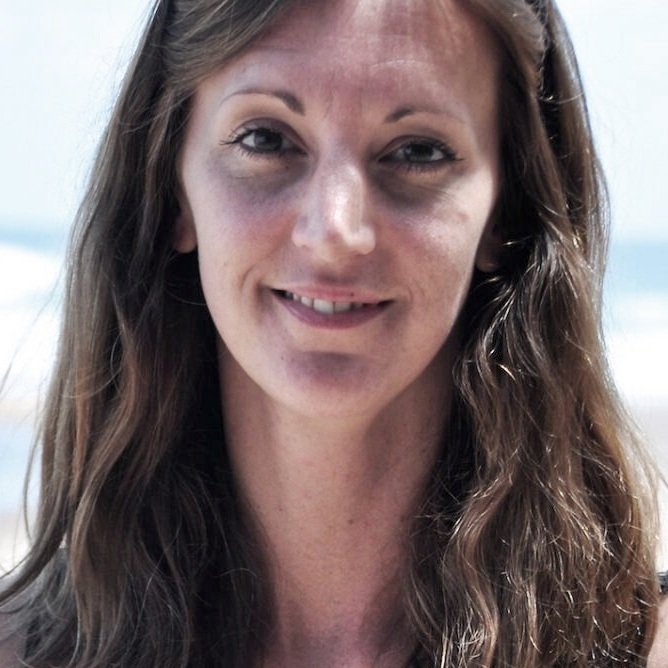
Dr Alex Watts
PROJECT SCIENTIST – GENOMICS
Dr. Alex Watts studies the population history, genetic diversity, and connectivity of whale sharks using genetic and genomic markers.
Previous — Mozambique Whale Shark ProjectNext — Tanzania Whale Shark Project